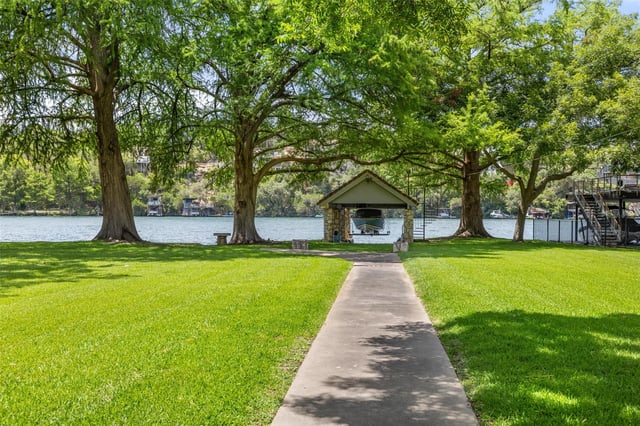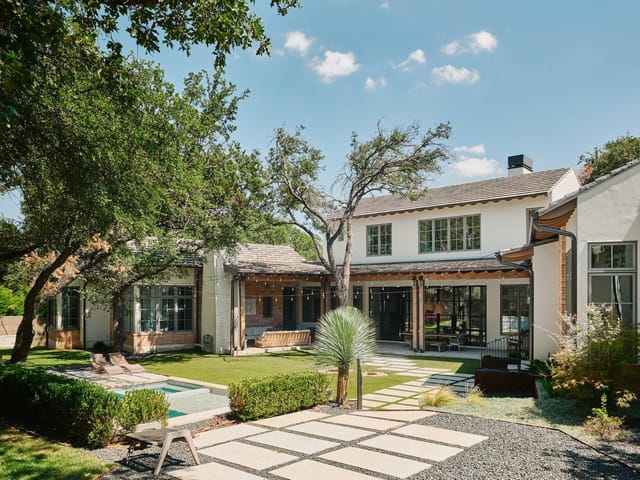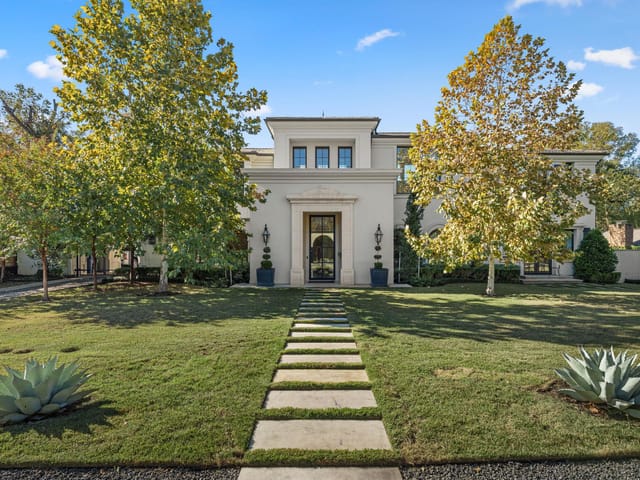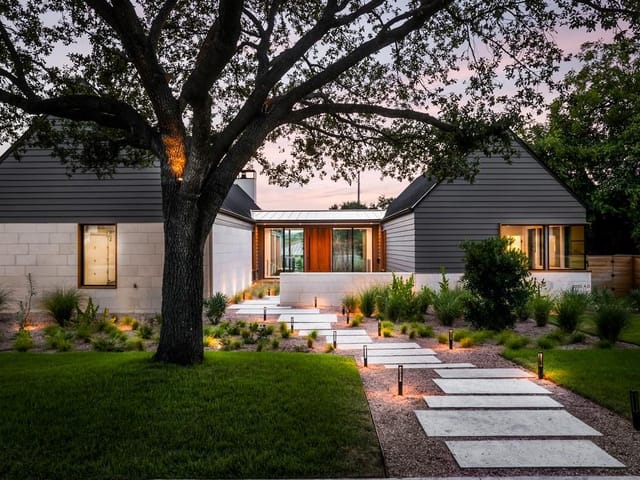
In Tarrytown (Austin 78703), the land beneath a home frequently represents 50-70% of total property value - the ratio that makes renovate-vs-teardown one of a buyer's most consequential financial choices. As of Q1 2026, teardown lots trade between $1.2M and $3M-plus depending on size, lake proximity, and tree coverage, while completed new builds on those lots sell for $2.5M to $8M-plus.
Why Lot Value Drives Tarrytown Decisions

In Tarrytown (Austin ZIP code 78703), the land beneath a home frequently represents 50-70% of the total property value. Keenan Group has worked through this lot-vs-structure calculation on dozens of Tarrytown transactions. - a ratio that makes the renovate-vs-teardown decision one of the most consequential financial choices a buyer faces. As of Q1 2026, teardown lots in Tarrytown trade between $1.2M and $3M+ depending on size, lake proximity, and tree coverage, while completed new builds on those lots sell for $2.5M to $8M+.
Keenan Group has guided 80+ transactions in Tarrytown across 25 years, including dozens of teardown-to-new-build projects. This framework reflects what we've learned from watching both successful and costly outcomes.
Tarrytown is a central, high-demand neighborhood where lots are scarce and close to both downtown and Lake Austin. That scarcity fuels strong lot-value sensitivity. Many buyers consider a teardown because a new build can fully capture a premium lot's potential, while others choose a thoughtful renovation to shorten timelines and reduce permitting risk.
About 40% of our Tarrytown buyer consultations start with the lot-vs-house question. The answer depends on three things: what the lot can physically support after tree and setback constraints, how much the existing structure would cost to bring to modern standards, and how long you plan to hold. We run the numbers both ways before making a recommendation.
In short, your decision should start with the land: what the lot can support, what it restricts, and how that compares to a renovation within the existing footprint.
Separate Lot Value from House Value
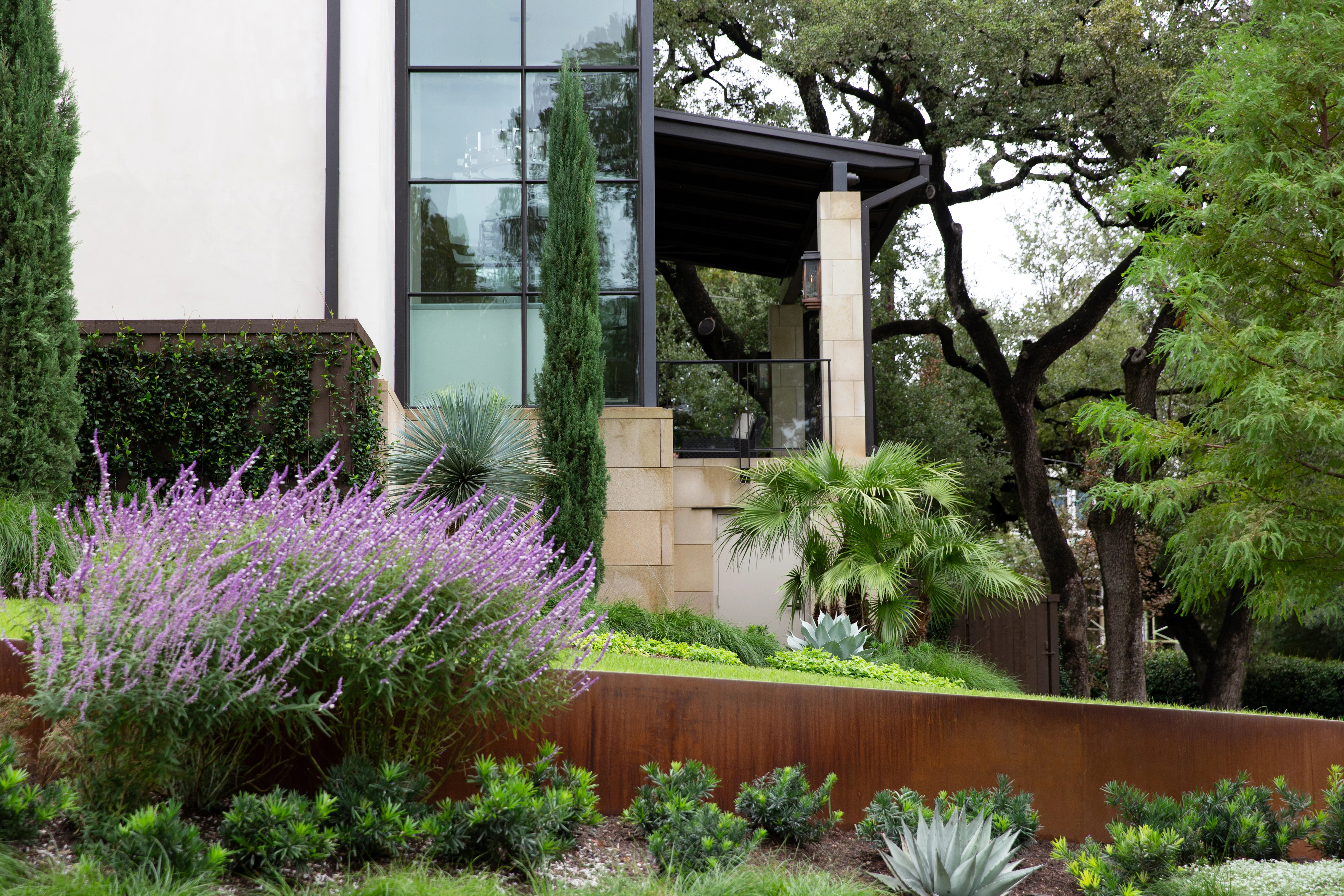
Lot-Value Drivers in 78703
- Proximity to Lake Austin or green space can command a premium. Blocks with short downtown commutes and strong walkability also tend to price higher.
- Lot size, shape, and slope set the buildable area and foundation complexity. Slope can impact retaining walls and costs.
- Utilities and easements, including overhead lines and drainage easements, can reduce where you can build or add relocation costs.
- Impervious cover limits and setbacks constrain your maximum footprint.
- Heritage trees and tree protection may restrict building areas and add mitigation costs.
- Zoning and any neighborhood overlays determine allowable density and uses.
- Recent teardown or vacant-lot comps nearby reveal the market price for land-ready parcels.
Structure-Value Drivers That Support Renovation
- Condition of the shell and systems: a solid foundation, roof, plumbing, and electrical can tilt the math toward renovation.
- Architectural character may appeal to specific buyers.
- Ability to reconfigure layout or add modestly within setbacks and coverage limits.
- Time-to-occupancy: renovation can be faster with lower carrying costs.
Quick Ways to Quantify the Split
Land-residual approach: Compare expected value of a new, market-comparable home on the lot to recent vacant or teardown sales to back into land value. Local MLS data and nearby lot comps are key. Travis Central Appraisal District records can help you see assessed land vs. improvement values as context, though market comps should lead your analysis.
Comparative approach: Study recent teardown sales on the same block to estimate a land-only price. Local MLS and Austin Board of Realtors market data are helpful reference points.
Site and Regulatory Constraints to Check Early
Trees and Urban Forestry
Austin's Tree Ordinance protects regulated and heritage trees. Preservation areas can reduce your buildable footprint and require specific construction methods and mitigation. Get a certified arborist's inventory before you commit.
Impervious Cover and Setbacks
The Land Development Code sets limits on roofed area, driveways, and hardscape, plus front, side, and rear setbacks. These rules define your build envelope and can affect layout, parking, and outdoor living.
Floodplain, Drainage, and Soils
Parts of Tarrytown are near Lake Austin and small creeks. Floodplain rules can require elevated finished floors, drainage design, and added mitigation. Start with FEMA mapping, then verify with the City. Always order a topographic survey and geotechnical study before finalizing plans.
Utilities and Easements
Recorded easements and utility lines can restrict where you build and drive the need for relocations or upgrades. Order a boundary and tree survey showing all easements, and confirm capacity and service locations with Austin Energy and Austin Water early in the process.
Historic or Neighborhood Review
Older homes may be subject to demolition review or neighborhood-specific considerations. This can influence design choices and timelines.
Permitting Timeline and Fees
Teardown plus new construction typically involves demolition, building, tree, grading, drainage, and utility permits. Each adds lead time and cost. Build a schedule and budget that reflect City processes.
Financial Model: Renovate vs. Rebuild
Start with a simple, side-by-side model. Use realistic comps for Tarrytown and recent cost inputs from experienced local builders.
Costs to include: Acquisition price, closing costs, hard costs (renovation or demo plus new build), soft costs (design, engineering, surveys, geotech, permits, fees, utility taps, tree mitigation), financing and carrying costs, and contingency.
Renovation case: Total acquisition plus renovation versus projected post-renovation value. Use comparable renovated sales to set value.
Teardown case: Acquisition plus demo, full build, and soft costs versus the expected value of a new home in that micro-location. Use new-build comps.
Sensitivity: Test plus or minus 10 to 20 percent on construction costs and time-to-market. Longer approvals raise carrying costs.
When to Favor Renovation or Teardown
Favor renovation if the structure is fundamentally sound, your needs fit within the existing envelope plus a modest addition, heritage trees or easements limit new-build options, or you need a faster timeline.
Favor teardown if the layout is functionally obsolete, system upgrades would approach replacement cost, the lot commands a large land premium, or you want design flexibility that the current footprint cannot provide.
Due Diligence Checklist for Tarrytown Buyers
Use this list before making an offer or as contract contingencies:
- Recent teardown, vacant-lot, and renovated comps on the same block or nearby
- Plat, boundary and tree survey, and all recorded easements
- Certified arborist inventory and tree-protection plan
- Zoning, impervious cover, and setback confirmation with the City
- FEMA and City floodplain checks; topographic survey and preliminary drainage
- Geotechnical report for foundation type and bearing capacity
- Utility location, capacity, and any relocation requirements
- Basic home inspection focused on structure and major systems
- Preliminary cost estimates from at least two local builders for both paths
- Permitting pathway and timelines with Development Services
- Neighborhood and historic resource review, if applicable
Micro-Location Cues Within Tarrytown
Blocks near Lake Austin or green space often carry higher lot premiums. Streets with easier downtown access can see stronger demand. Sloped sites may offer view potential but increase foundation complexity and cost. Near creeks or low-lying areas, verify floodplain impacts before you price a teardown.
The best signal for lot value is nearby teardown or vacant-lot comps. Pair those with a realistic as-completed value for either a renovated home or a new build so you can see which path produces a stronger outcome.
How We Help You Choose the Right Path
As a family-led team, we combine hyperlocal expertise in Tarrytown with a concierge process. We source the right comps, coordinate arborists, surveyors, engineers, and trusted builders, and map your permitting pathway so there are fewer surprises. Our networks also surface exclusive and off-market options that can change the equation in your favor.
If you are weighing renovation versus teardown in 78703, connect with Joe and Cara Keenan for a private, data-driven consultation.
FAQ
How do I estimate a Tarrytown lot premium quickly?
What can heritage-tree rules add to my costs?
Will a teardown trigger extra City reviews in Austin?
What are the most common hidden cost surprises?
How do impervious cover limits affect my design?
What is the land worth versus the house in Tarrytown?
In Tarrytown's 78703, the land frequently represents 50-70% of total property value because central lots are scarce and close to downtown and Lake Austin. As of Q1 2026, teardown lots trade between $1.2M and $3M-plus, while completed new builds on those lots sell for $2.5M to $8M-plus.
How do I decide between renovating and tearing down in Tarrytown?
Favor renovation if the structure is sound, your needs fit the existing envelope plus a modest addition, or heritage trees and easements limit a new build. Favor teardown if the layout is functionally obsolete, system upgrades approach replacement cost, or the lot commands a large land premium. Run both numbers first.
What is the going price per square foot in Tarrytown?
The Keenan Luxury Market Index (MLS-sourced, trailing-24-month) tracks Tarrytown at $781 per square foot as of Q2 2026 - among the highest in central Austin, reflecting lot scarcity and proximity to Lake Austin. Because land drives 50-70% of value here, $/sqft alone understates the role of the parcel itself.
Related Resources
Ready to take the next step? Get a home valuation if you are considering selling, explore buyer resources if you are searching, or review the Keenan Group's track record across 1,000+ Austin transactions.
Interested in Tarrytown?
Get a confidential market brief for Tarrytown with current inventory, pricing, and strategy recommendations from Austin's #1 team.