Looking for a neighborhood where your daily routine can include trail access, park time, and a quick dip at Barton Springs? Barton Hills stands out because outdoor recreation is not just nearby, it is woven into everyday life. If you are exploring where to live in south-central Austin, this guide will help you understand Barton Hills’ lifestyle, housing mix, and practical details so you can decide whether it fits your goals. Let’s dive in.
Why Barton Hills Appeals to Active Households
Barton Hills sits in south-central Austin and offers a rare combination of established residential streets and direct access to some of the city’s best-known outdoor spaces. According to the Barton Hills Neighborhood Association boundary map, the neighborhood stretches from Barton Springs Road and Azie Morton Road south toward Rabb Road, Rae Dell, Barton Skyway, and South Lamar Boulevard, then west to Barton Creek.
That location matters because it places you close to the city’s outdoor network while still keeping daily errands and commutes manageable. The neighborhood association also describes Barton Hills as a mature, cohesive area with roots in Austin’s postwar growth, which helps explain why it feels established rather than newly built.
Outdoor Access Shapes Daily Life
For many buyers, Barton Hills’ biggest draw is not just proximity to parks. It is how easily those parks become part of your week.
Barton Creek Trails Nearby
The city’s Barton Creek Wilderness Park overview lists two especially relevant access points for Barton Hills residents: the Gus Fruh Entrance at 2642 Barton Hills Drive and the Zilker Park Entrance at 2312 William Barton Drive. The preserve includes more than 7 miles of trails, along with destinations and features like Twin Falls, Sculpture Falls, rock climbing areas, and mountain bike trails.
That kind of access can shape how you spend your mornings, weekends, and even quick breaks between work and family commitments. Instead of planning a full outing across town, you can often build outdoor time into your normal routine.
Zilker Park Expands Options
Just next door, Zilker Metropolitan Park covers more than 350 acres. It includes Barton Springs Pool, Zilker Botanical Garden, the Austin Nature and Science Center, the Ann and Roy Butler Hike and Bike Trail, and Barton Creek Trail.
Zilker also hosts some of Austin’s most recognized traditions, including Austin City Limits Festival, Trail of Lights, and the Zilker Park Kite Festival. For you, that means Barton Hills offers both everyday recreation and easy access to citywide events in one setting.
Barton Springs Adds Year-Round Recreation
Within Zilker, Barton Springs Pool is one of Austin’s most distinctive amenities. The city notes that the pool spans three acres, is fed by underground springs, and stays around 68 to 70 degrees year-round.
That makes it useful in every season, whether you want lap swimming, a casual afternoon outdoors, or a go-to place for visitors. The same city page also notes that CapMetro Route 30 serves the Barton Springs stop, which adds another option for getting there without relying entirely on a car.
Neighborhood-Scale Park Access
Barton Hills also benefits from smaller-scale outdoor infrastructure. The city’s park directory lists Barton Hills School Park at 2009 Homedale Drive and explains that school parks are open to the public during non-school hours through a joint-use agreement with Austin ISD.
That detail is easy to overlook, but it matters. It means the neighborhood experience is not limited to destination parks. You also have a more local outdoor option that can support day-to-day routines close to home.
Housing in Barton Hills
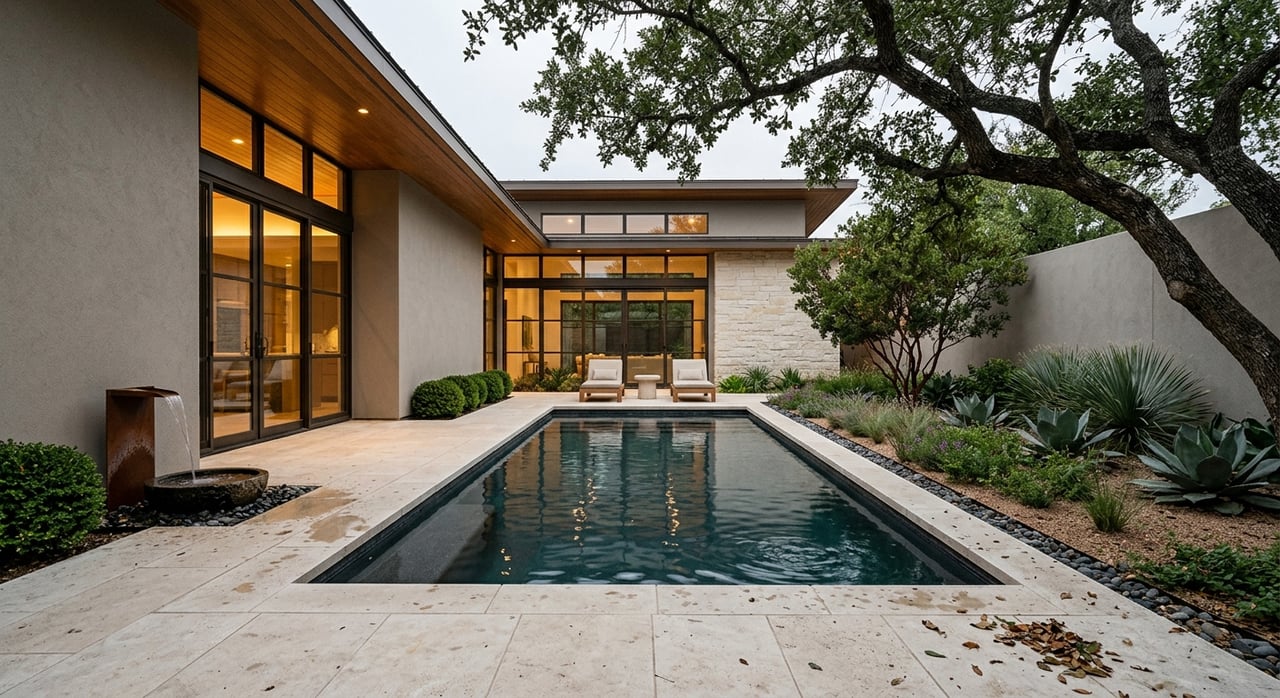
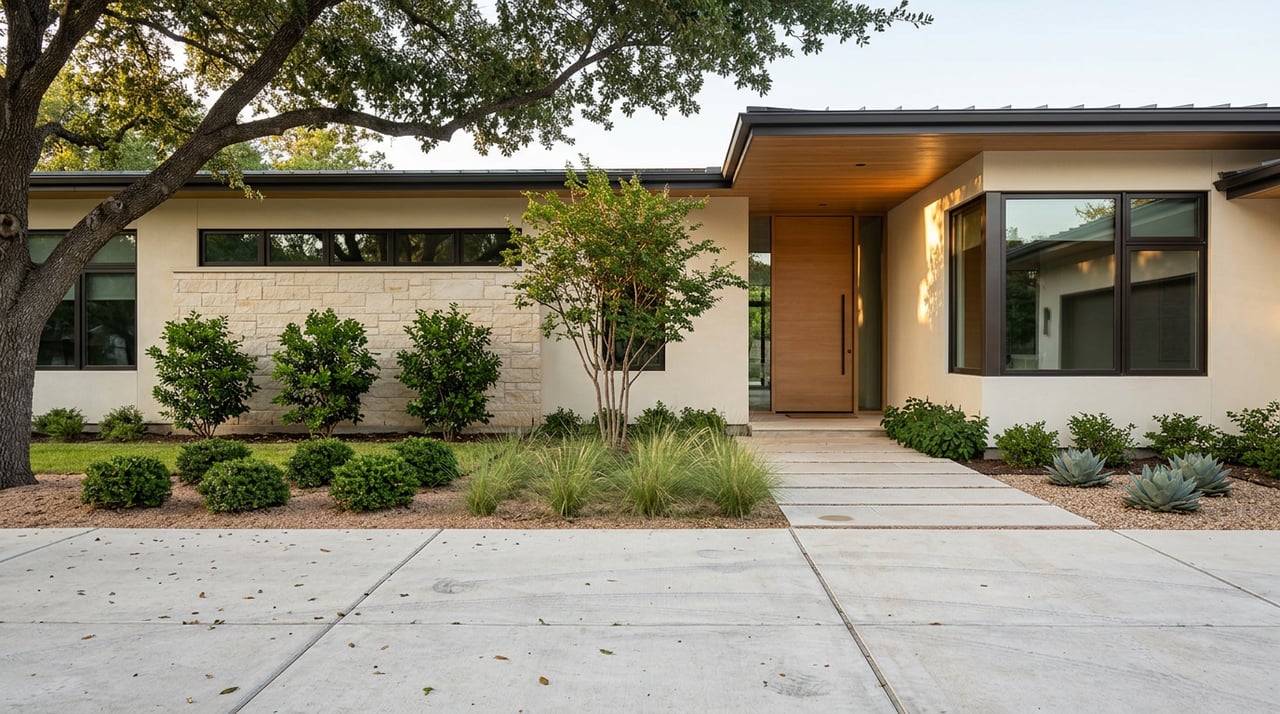
Barton Hills is not a one-style, one-price neighborhood. Its housing stock reflects both the area’s midcentury roots and newer reinvestment over time.
Older Character and Newer Infill
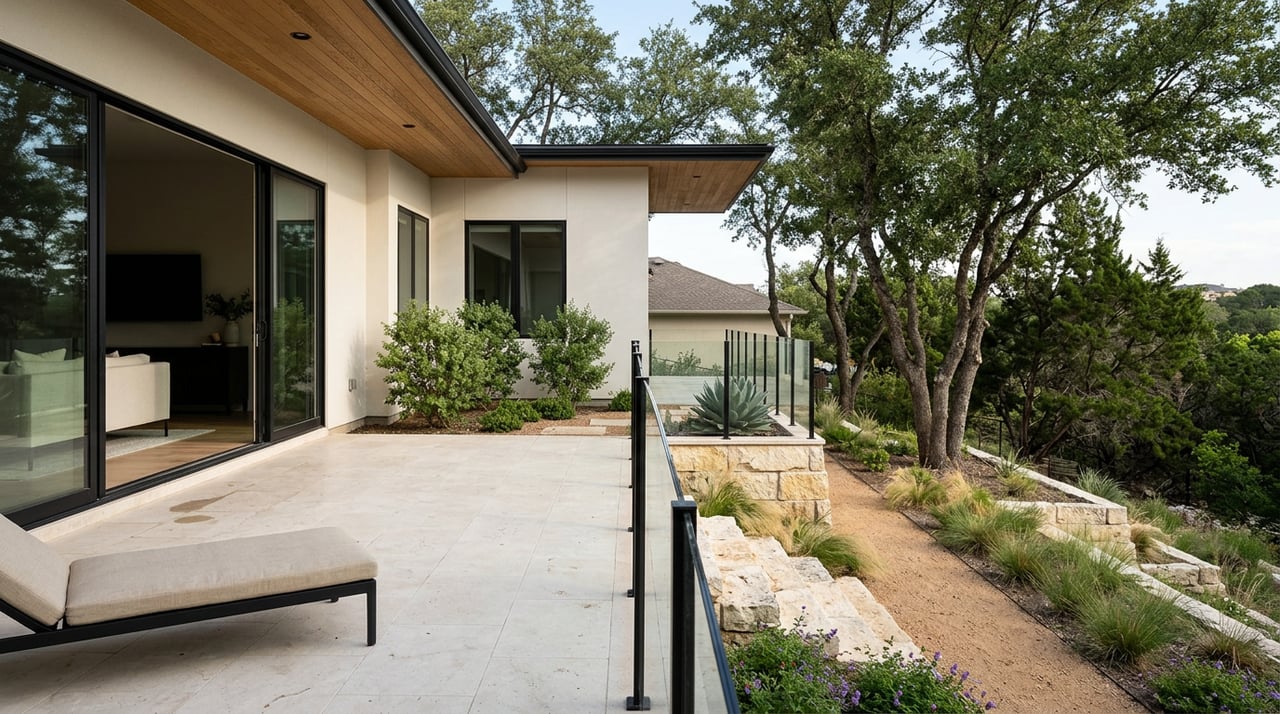
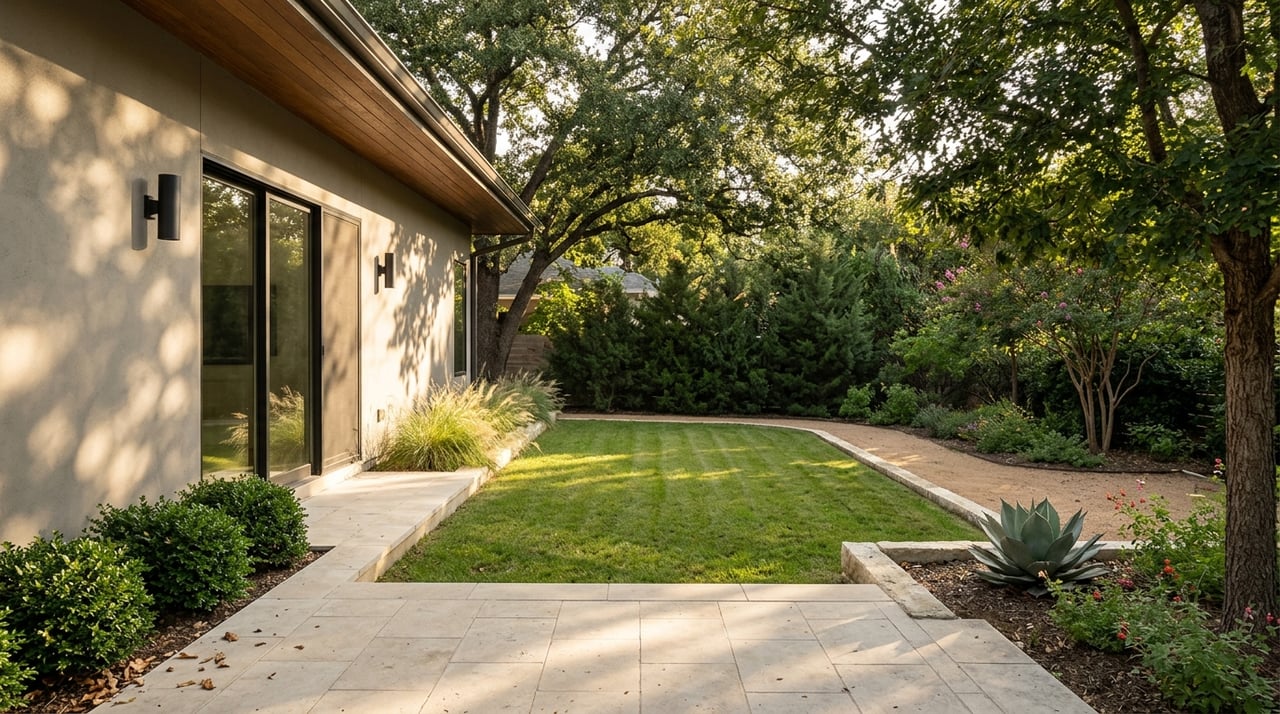
The Barton Hills Neighborhood Association history page describes the area’s postwar architecture as featuring gently sloping roofs, clerestory windows, and indoor-outdoor connections. Those details still influence the neighborhood’s character today.
In practical terms, buyers will often see a mix of older homes with original architectural elements, renovated properties, and newer infill construction. That variety can appeal to different goals, whether you want character, a more turnkey finish, or a newer custom home.
Price Ranges Vary Widely
According to Realtor.com’s Barton Hills market summary, the neighborhood had a median list price of $1.69M in March 2026, with 53 active listings and a median 106 days on market. Current listings also show a broad spread.
In the lower end of the market, under-$800K options are generally attached homes such as condos or townhomes. Detached homes, especially renovated or newer ones, often move into significantly higher price points, with current examples ranging from about $1.2M to nearly $4M according to the same local market data.
The key takeaway is simple: Barton Hills is a premium market, but it is not uniform. If you are searching here, it helps to define early whether you are targeting an attached entry point, an original home with renovation potential, or a higher-end detached property.
Schools and Verification Notes
If schools are part of your decision, it is important to separate neighborhood identity from attendance boundaries. Austin ISD states that attendance areas can change over time, so you should verify the current assignment directly before making a purchase.
Austin ISD’s current feeder pattern chart shows Barton Hills Elementary feeding to O. Henry Middle School and then Austin High School. That offers a useful planning reference, but it should still be confirmed for any specific address.
For additional context, Austin ISD’s current school reports note that Barton Hills Elementary posted a 95.4% attendance rate and 1.9% mobility rate in 2023-24, while O. Henry Middle earned an overall score of 81 out of 100 and Austin High earned 89 out of 100 on its 2025 report card. These are factual accountability metrics from the district’s published materials and can help frame your research alongside a campus visit and direct district verification.
Commuting and Daily Convenience
Barton Hills benefits from a location near major south-central Austin corridors rather than farther-out suburban routes. That can make a real difference if you want easier access to downtown, nearby dining and shopping, and a more connected everyday rhythm.
The city’s South Lamar corridor project overview highlights bus stop improvements, ADA-compliant sidewalks, and two-way cycle tracks along the corridor. Combined with Barton Springs Road access and CapMetro service to Barton Springs, Barton Hills supports a mix of driving, biking, walking, and transit options.
For many buyers, this is a major part of the appeal. You are not choosing between an outdoor lifestyle and urban convenience. In Barton Hills, the two often work together.
What to Know Before You Buy
Barton Hills can be a strong fit if you want central Austin access and an outdoor-focused routine. Still, a thoughtful home search here should account for the neighborhood’s range and complexity.
Here are a few practical points to keep in mind:
- Define your housing type early. Condos, townhomes, original midcentury homes, and newer luxury builds can all sit in very different price bands.
- Verify school assignment by address. Do not assume the neighborhood boundary matches school attendance lines.
- Pay attention to trail and park access. A home’s position within Barton Hills can shape how walkable or convenient your favorite amenities feel.
- Consider everyday corridors. South Lamar and Barton Springs Road function as the neighborhood’s service spine for errands, dining, and transit connections.
Why Local Guidance Matters
In a neighborhood like Barton Hills, surface-level search filters only tell part of the story. Two homes with similar square footage can offer very different lifestyles depending on their proximity to trail access, renovation history, lot setting, and relationship to nearby corridors.
That is where local context matters. If you are comparing options in Barton Hills, it helps to work with an advisor who can translate not just pricing, but also the daily experience of living there.
If you are considering a move in Barton Hills or anywhere in central Austin, Joe & Cara Keenan offer a polished, highly personal approach backed by deep local knowledge and concierge-level guidance. If you want clarity on homes, timing, or neighborhood fit, request a private consultation.
FAQs
What makes Barton Hills appealing for active families in Austin?
- Barton Hills offers direct access to Barton Creek Wilderness Park, Zilker Metropolitan Park, Barton Springs Pool, and Barton Hills School Park, making outdoor recreation part of daily life rather than just a weekend destination.
What types of homes are common in Barton Hills?
- Barton Hills includes older postwar homes, renovated properties, newer infill construction, condos, and townhomes, so buyers can find a wider mix of housing styles than in many single-product neighborhoods.
What is the typical price range for Barton Hills homes?
- Current market data shows a broad range, with many lower-priced options under $800K being attached homes, while detached single-family homes often list from about $1.2M into the multimillion-dollar range.
Which Austin ISD schools serve Barton Hills?
- Austin ISD’s current feeder pattern shows Barton Hills Elementary, O. Henry Middle School, and Austin High School, but you should always verify the current assignment for a specific address because boundaries can change.
Is Barton Hills convenient for commuting and errands?
- Yes. Barton Hills sits near Barton Springs Road and South Lamar Boulevard, and city improvements along South Lamar support travel by car, bike, walking, and transit.