Dreaming of sunset skies over the Hill Country from your own deck? In Northwest Hills, those views are real, but not every “view lot” lives the same once you move in. If you are relocating, you want to avoid surprises that affect comfort, cost, and resale. This guide gives you a clear checklist to compare view lots, from slope and sunlight to trees, noise, and future obstruction risk. Let’s dive in.
Northwest Hills at a glance
Northwest Hills sits in northwest Austin between major corridors and greenbelt canyons. You see mature streets, mid‑century homes, and custom rebuilds tucked into rolling limestone hills. Many lots back to hillsides or greenbelt, which is why you find wide Hill Country vistas and quick access to nature.
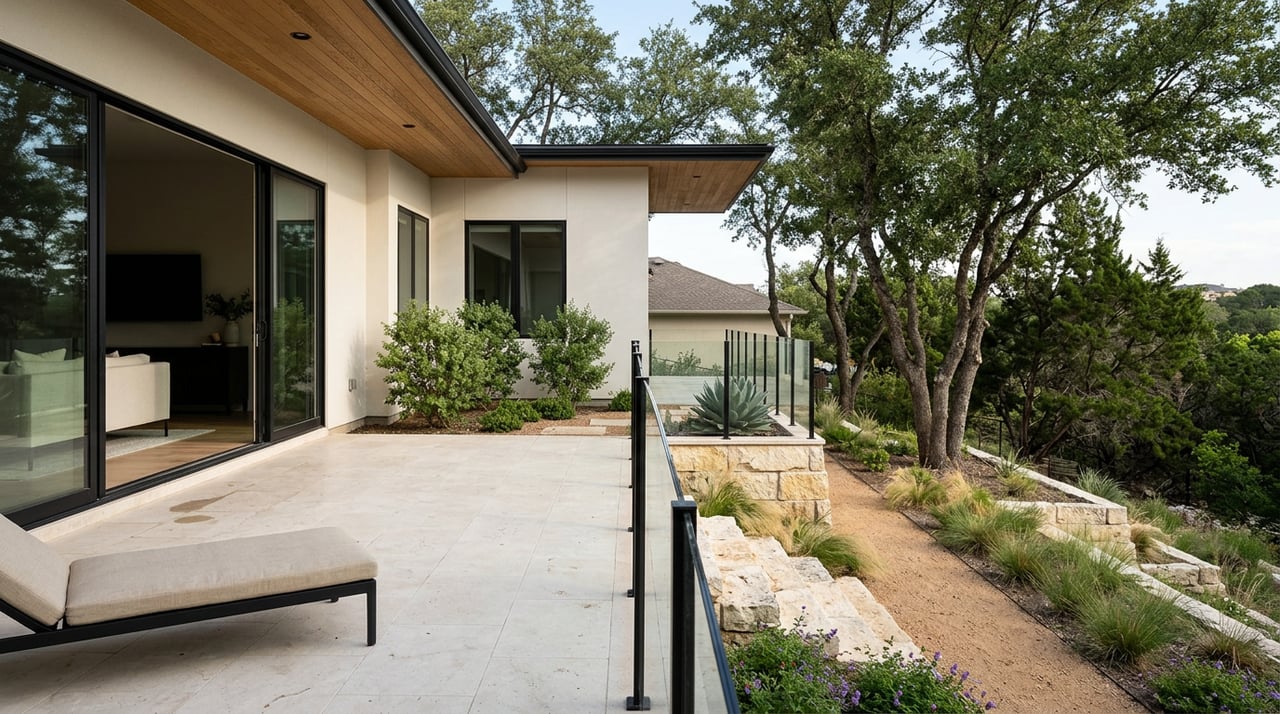
View lots here often sit on steeper terrain. That topography creates drama and privacy. It can also influence construction cost, driveway design, and daily living. Understanding those tradeoffs early will save you time and money.
What drives a view lot’s value
A strong view is only the start. In Northwest Hills, these factors shape price, comfort, and resale:
- Topography and soils
- Orientation and daily sunlight
- Trees, privacy, and tree protections
- Roadway noise and sound rules
- Drainage, flood, and karst features
- Risk of future obstruction from nearby construction
Topography and soils: read the slope
Northwest Hills sits along the Balcones escarpment with shallow soils over limestone. Steep slopes and rock ledges help deliver the views you want. They also affect excavation, foundation type, drainage, and the look of your outdoor spaces.
City rules address cut and fill, hillside disturbance, and revegetation on steep sites. Those rules shape what is possible for driveways, retaining walls, and grading. You will want to confirm how your intended plan fits within City guidance before you finalize your offer.
- Review the City’s hillside and construction limits in the Environmental Criteria Manual for context on grading and restoration requirements: City of Austin Environmental Criteria Manual.
- Use the City of Austin Property Profile map to view two‑foot contours and site context.
Buyer checks
- Ask for a recent survey with topography and any geotechnical report. If none exists and slopes exceed roughly 10 percent or you see rock ledges, budget a geotechnical study during your option period.
- Confirm past site work. Request any grading, foundation, or driveway permits from the seller or pull them via the City’s AB+C Public Search.
- Walk the lot to visualize driveway access, retaining needs, and realistic outdoor living pads.
Sunlight and orientation: comfort year‑round
Orientation determines how your home and outdoor spaces feel through the seasons. South exposure offers winter sun and balanced daylight. West exposure is the warmest in late afternoon and needs thoughtful shading. In Austin’s climate, glazing choices, overhangs, and exterior shade make a big difference in comfort.
For a livable home with broad glass, you want to capture south light, control afternoon heat, and protect outdoor spaces from harsh sun. Passive solar best practices favor controlled south glazing and limited unshaded west glass. You can review a simple summary here: Passive solar design basics.
Buyer checks
- Stand where a future living room and patio would be at different times of day. Note when and where sun hits your preferred view.
- Use sun‑path apps or solar maps to predict seasonal shade from trees and neighboring homes.
- If the view faces west, plan shading or window specifications up front.
Trees, privacy, and Austin’s protections
Mature trees shape privacy, shade, and the look of your view. In Austin, removal of many large or heritage trees needs permits and may require mitigation. These rules can limit your ability to clear for a bigger view, and they also affect what neighbors can do.
Learn what is protected, what needs a permit, and the potential costs before you rely on tree removal for your view. Start with the City’s overview: How does Austin protect our trees.
Buyer checks
- Order a tree inventory that marks protected and heritage trees on your lot and, if possible, on adjacent lots visible from your homesite.
- Ask the seller for any approved tree permits and mitigation obligations.
- If your view depends on trees on a neighbor’s lot, treat that as uncertain.
Roadway noise: test before you fall in love
Lots on the eastern side of Northwest Hills can pick up background noise from Mopac and other busy corridors. Sound is highly site specific. The best approach is to listen where you will live: at the building footprint, the primary patio, and the pool deck.
Austin also has rules for outdoor amplified sound. These rules guide permitted event noise and how the City enforces issues that spill into neighborhoods. Review the City’s summary here: Outdoor Amplified Sound rules.
Buyer checks
- Visit during commute periods and weekend evenings. Use a phone dB app for a quick baseline and trust your ears.
- If sound is borderline, plan a short acoustic survey during your option period or request any available records through the City.
- Ask neighbors about recurring events, construction, or venue noise nearby.
Drainage, flood, and karst
Ridge and hillside lots often have low FEMA flood exposure, but stormwater can move fast downslope. Some areas of northwest Austin also include mapped critical environmental features and water quality zones. City site review will flag these issues where applicable.
Buyer checks
- Open the City of Austin Property Profile map and turn on floodplain, water quality, and CEF layers.
- Walk the lot after rain if possible. Look for erosion paths or ponding in aerial history.
- If planning new construction, require a preliminary grading and drainage concept during due diligence.
Future obstruction risk: protect your view
Cities rarely protect private views as a right. In practice, your best protection is understanding what can be built next door and what private restrictions exist. Zoning, compatibility limits, tree ordinances, and recorded deed restrictions are the key levers.
You can research zoning and pending permits through the City’s public tools, and you can confirm private restrictions by reviewing recorded documents. Start with the City’s guide to cases and permits: AB+C Public Search. For recorded covenants and plats, use the Travis County Clerk: Travis County property records.
Step‑by‑step obstruction check
- Look up your lot and adjacent parcels in the City’s AB+C Public Search. Confirm base zoning and check for any cases within 300 to 540 feet.
- Scan for active building permits, site plans, or variances on neighboring lots that could add height or new decks.
- Request HOA bylaws, restrictive covenants, and recorded plats from the seller and title. Verify view protections or building limits in the Travis County property records.
- Identify protected or heritage trees on adjacent lots using the City’s overview of rules: Austin tree protections.
- Interview neighbors and HOA leaders about pending projects or utility work not yet visible in permit feeds.
Pricing, premiums, and resale
Northwest Hills is an upper‑tier Austin zip with steady demand for well‑located view properties. Within the neighborhood, micro‑markets such as ridgelines and greenbelt edges often command higher prices per square foot due to outlook, privacy, and lot characteristics. For fresh neighborhood context and trends, review this local snapshot: Northwest Hills market report and luxury home trends.
Academic studies show that views can add meaningful value, often in the high single digits to double digits, depending on quality and scarcity. Use studies for context, then lean on local sold comps to set expectations. For a primer on how views can influence pricing, see this overview: The value of a view.
What helps resale
- Broad Hill Country vistas with a low chance of future obstruction
- Quiet outdoor living and thoughtful solar orientation
- Direct or easy access to greenbelt trails
- Mature, well‑kept landscaping that frames the view
What can hold it back
- Persistent roadway or event noise at outdoor spaces
- Pending rezonings nearby that could add height or intensity
- Views that rely on removing protected trees on adjacent lots
- High sitework costs that limit funds for finishes buyers expect
Your due diligence game plan
Use this fast, prioritized checklist during your option period. It keeps you focused on the issues that matter most for lifestyle, value, and resale.
- Permits and zoning: Run your lot and a 300 to 500 foot buffer in the City’s AB+C Public Search to catch active permits, site plans, and pending rezoning.
- Title and restrictions: Pull the Travis Central Appraisal District page for parcel basics and request the title commitment. Confirm recorded plats and covenants in Travis County property records. Use Travis CAD’s Property Search for parcel data.
- Topo and environment: Open the City of Austin Property Profile map to review two‑foot contours, flood, CWQZ, and CEF layers. Ask the seller for a survey if one is not available.
- Slope and soils: If the lot appears steep or rocky, require a geotechnical report. Review hillside limits in the Environmental Criteria Manual.
- Trees: Complete a tree inventory and review Austin’s rules on protected and heritage trees: Austin tree protections. Treat off‑site trees as outside your control.
- Noise: Visit at commute times and weekend evenings. Take dB snapshots, note tone and character, and reference the City’s Outdoor Amplified Sound rules.
- Viewshed: Check adjacent permits in AB+C, scan aerial history for vegetation changes, and confirm any private restrictions that shape massing.
- Comps and premium: Separate sales with documented views from those without. For on‑the‑ground guidance, use a local expert resource like this Northwest Hills market report.
A thoughtful evaluation up front delivers the lifestyle you want and a stronger resale story when it is time to sell. If you want a calm, end‑to‑end process, request a private strategy session with Joe & Cara Keenan. We will help you source, vet, and secure the right Northwest Hills view lot with discretion and white‑glove care.
FAQs
How do you check if a neighbor can build higher in Northwest Hills?
- Use the City’s AB+C Public Search to confirm base zoning and scan for active building permits, site plans, or variances on adjacent parcels. Then review any private covenants in Travis County property records.
What is a protected or heritage tree in Austin and why does it matter for views?
- Austin requires permits and often mitigation to remove many large and heritage trees, which can limit view clearing. Start with the City’s overview of tree protections and verify your lot’s tree inventory before you rely on removals.
How can you estimate a view premium in Northwest Hills?
- Use local sold comps within the same micro‑market and compare homes with documented views to those without. Academic context on view value helps, but rely on neighborhood comps and a current market read like this Northwest Hills report.
How do you test roadway noise before buying a view lot?
- Visit during commute peaks and weekend evenings, listen at the main patio and living areas, and take quick dB readings. If borderline, plan a short acoustic survey and review the City’s Outdoor Amplified Sound rules to understand enforcement.
Which city tools help you evaluate slope, flood, and environmental layers?
- Open the City of Austin Property Profile map to view two‑foot contours, floodplain, water quality zones, and critical environmental features. Cross‑check with zoning and permits in AB+C Public Search.