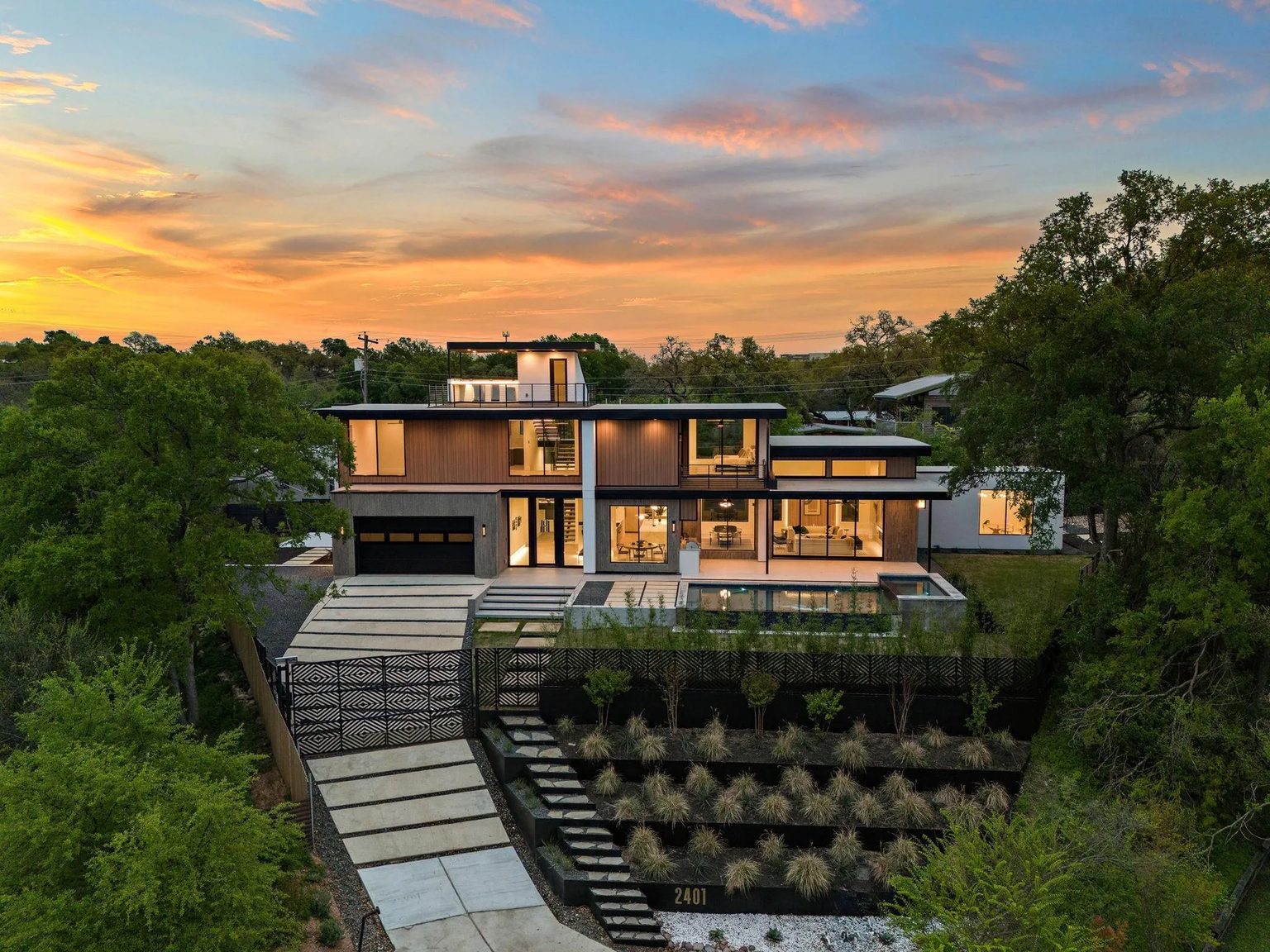
A greenbelt lot in Barton Creek (Austin 78735) is a parcel whose rear line borders undeveloped, vegetated land instead of another yard or road. That open space may be public parkland, HOA common area, or a conservation easement - each with different ownership and access rights. As of Q1 2026, greenbelt-adjacent lots typically carry a 10-20% premium, with prices from $1.5M to $4M-plus.
What a Greenbelt Lot Means in Barton Creek
A greenbelt lot in Barton Creek is a residential parcel in Austin's 78735 ZIP code whose rear property line borders undeveloped, vegetated land rather than another private yard or road. As of Q1 2026, greenbelt-adjacent lots in Barton Creek typically carry a 10-20% premium over comparable interior lots, with prices ranging from $1.5M to $4M+ depending on the enclave, lot size, and degree of privacy.
Keenan Group has sold 50+ homes in Barton Creek's gated communities over 25 years. Greenbelt adjacency is one of the most common buyer priorities we hear - and one of the most misunderstood. The open space you see from the backyard can take several forms, each with different ownership, access rights, and long-term implications.
Public Parkland: Barton Creek Greenbelt
Some lots back to City of Austin parkland within the Barton Creek Greenbelt system. The land is publicly owned and managed as a city park. You will experience nearby trail activity and seasonal creek use. The boundary still matters; touching public land does not automatically grant private trail access from your yard.
HOA-Owned Common Open Space
Other lots back to HOA-maintained greenbelt inside a subdivision. These areas are private, and access is governed by each community's covenants, conditions, and restrictions. The HOA funds maintenance through dues and sets the rules for fences, plantings, and any access points.
Conservation Easement or Private Preserve
Some open spaces are privately owned but restricted by a conservation easement. They preserve views and habitat by limiting development. Access can be limited or prohibited, and maintenance responsibilities are defined by recorded documents.
Why Verification Matters
In Barton Creek, many neighborhoods were designed with open-space edges. Ownership and rights vary lot by lot. Confirm the specifics with the recorded plat, deed, CCRs, and a current boundary survey before you rely on any claimed access or view corridor.
Lifestyle Benefits That Draw Buyers
Greenbelt adjacency in 78735 is a lifestyle choice. Here is what you can expect:
- Privacy and natural buffer. Fewer neighboring windows behind you and a quieter backyard experience.
- Recreation close to home. Proximity to trails, creek areas, and nature views supports an active, outdoor lifestyle.
- Hill Country sightlines. Longer vistas and open-sky corridors add to the feel many buyers want.
- Wildlife and native landscape. Opportunities to observe native plants and animals add to the sense of place.
- Resale appeal. Greenbelt lots are often easier to market. Any price premium depends on current sales comps and the lot's constraints.
Tradeoffs and Risks to Weigh
Drainage and Floodplain
Lots near creeks, arroyos, or steep slopes can collect runoff and experience erosion. Portions of the Barton Creek corridor fall within FEMA floodplains or locally regulated flood areas. Floodplain designation impacts building options, foundation types, and insurance requirements.
Hillside, Grading, and Impervious Cover
Barton Creek includes sloped terrain. Austin's land development rules regulate grading, retaining walls, and impervious cover, especially on hillside lots. Expect site-specific engineering and possible extra permits if you plan new improvements.
Save Our Springs and Water Quality Rules
Parts of the area are within the Barton Springs Zone. Additional water-quality controls and land-disturbance limits can apply to redevelopment or new builds. Confirm overlays and requirements before you design a pool, patio, or addition.
Tree and Vegetation Protections
City tree ordinances and HOA rules can limit tree removal and view trimming. Heritage trees may require permits and mitigation. Plan ahead if you expect to open up a view or rework the backyard.
Wildfire Exposure
Native Hill Country vegetation creates a wildland-urban interface. You may need defensible space and brush management in line with local fire guidance. Budget for ongoing vegetation maintenance.
Public Access, Privacy, and Trespass
Bordering a public trail or park brings activity close to your fence. Your boundary is enforceable, but privacy is not absolute. Understand fence options and HOA guidelines before you rely on a particular level of seclusion.
Wildlife and Pests
Deer, feral hogs, snakes, and rodents are more common near natural areas. Plan for pet safety, fencing, and routine pest prevention.
The most common mistake we see with greenbelt buyers is assuming the view is permanent and the access is guaranteed. Before we write an offer, we verify exactly who owns that open space, what they can do with it, and whether any development rights exist. That 20 minutes of research has saved clients hundreds of thousands of dollars.
Utilities and Septic Considerations
Some parcels near creeks or on larger lots may have unique utility setups. Confirm water and sewer availability and capacity before you plan improvements or a major remodel.
Setbacks, Envelopes, and Easements
Rear setbacks, drainage easements, and protected water-quality buffers can narrow where you can build. Review the recorded plat and your survey to understand the usable area.
Due Diligence Roadmap for Barton Creek Greenbelt Lots
Documents to Collect and Review
- Recorded subdivision plat showing easements, setbacks, and any labeled "common open space."
- Deed, title report, and any conservation easements or deed restrictions.
- HOA CCRs, rules, budget, reserves, and recent meeting minutes for maintenance and trail policies.
- Seller's disclosure and prior surveys, if available.
Site and Technical Evaluations
- Current, certified boundary survey to verify the exact rear line and fence location.
- Civil or site engineer review for drainage, erosion, and any high-water indicators.
- Floodplain review and, if needed, an elevation certificate to inform insurance and design.
- Structural or geotechnical evaluation on hillside lots for slope stability and retaining walls.
- Certified arborist report to evaluate tree impacts and removal feasibility.
- Septic inspection if the property is not on municipal sewer.
Questions for the Seller and HOA
- Who owns and maintains the adjacent greenbelt? What access rights exist, if any?
- Any past flooding, erosion, or drainage issues on the site?
- Any encroachments or disputes related to fences, trails, or park users?
- Which HOA rules govern fences, decks, pools, tree work, or gates near the greenbelt?
On-Site Verification
- Walk the rear property line with your surveyor or agent to confirm boundaries, fence lines, and trail proximity.
- Visit at different days and times to experience trail traffic, sound, and privacy levels.
- Observe runoff patterns after rain and note any erosion or pooling.
Insurance and Cost Checks
- Flood insurance quotes if the lot is in or near mapped flood areas.
- Homeowner's insurance considerations for wildland interface exposure.
- HOA dues, special assessments, and potential reserves for greenbelt maintenance or wildfire mitigation.
Pricing, Offers, and Resale
Smart Contingencies
Include a survey contingency, detailed HOA document review, and site-engineer and arborist evaluations. Give yourself time to obtain a current survey and any required reports.
Appraisal and Valuation
Greenbelt adjacency can be a differentiator, but value depends on the specific lot and its constraints. Limited buildable area, flood risk, or strict overlays can reduce usable yard or add project costs. Use current comps that reflect both the view and the limitations.
HOA Health and Reserves
If the greenbelt is HOA-owned, ask about wildfire mitigation plans, trail upkeep, and any expected capital projects. Strong reserves and clear maintenance schedules support long-term value.
Marketing Accuracy
Use precise language. Reserve "backs to Barton Creek Greenbelt" for lots that truly border City-owned parkland and can be verified by plat, title, and survey. Otherwise describe the adjacency accurately, such as "backs to HOA open space" or "adjacent to conserved open space."
How We Help You Buy with Confidence
We help you identify whether a lot borders public parkland, HOA open space, or a conservation easement through recorded documents and surveys. We coordinate the right experts - surveyors, site engineers, arborists, and insurers - to evaluate risks and costs. And we craft offers with the right contingencies and timelines so you can act with speed and confidence in Barton Creek's luxury market.
When you are ready to explore Barton Creek's best greenbelt opportunities, connect with Joe and Cara Keenan for a private consultation.
FAQ
What does "greenbelt lot" mean in Barton Creek?
Do greenbelt lots guarantee private trail access to Barton Creek?
Are greenbelt lots in 78735 more likely to be in a floodplain?
Can I remove trees to improve my view on a greenbelt lot?
What permits affect adding a pool or deck by the greenbelt?
How should I evaluate privacy if a public trail runs behind the fence?
How can I confirm who owns the land behind a Barton Creek home?
How much more do greenbelt lots cost in Barton Creek?
As of Q1 2026, greenbelt-adjacent lots in Barton Creek typically carry a 10-20% premium over comparable interior lots, with prices ranging from $1.5M to $4M-plus depending on the enclave, lot size, and degree of privacy. The premium depends on current sales comps and the lot's specific buildable constraints.
What due diligence should I run before buying a Barton Creek greenbelt lot?
Collect the recorded plat, deed, title report, HOA CCRs, and any conservation easements. Then order a certified boundary survey, civil drainage review, floodplain check, arborist report, and geotechnical evaluation on hillside lots. Confirm exactly who owns and maintains the adjacent open space and what access rights, if any, actually exist.
Why does verifying greenbelt ownership matter so much?
The most common greenbelt mistake is assuming the view is permanent and the access is guaranteed. Before writing an offer, verify who owns the open space, what they can do with it, and whether development rights exist. That research has saved Keenan Group clients hundreds of thousands of dollars on Barton Creek lots.
Related Resources
Ready to take the next step? Get a home valuation if you are considering selling, explore buyer resources if you are searching, or review the Keenan Group's track record across 1,000+ Austin transactions.
Interested in Barton Creek?
Get a confidential market brief for Barton Creek with current inventory, pricing, and strategy recommendations from Austin's #1 team.