This property is no longer actively listed. We can help you find similar homes currently for sale, notify you if this property relists, or explore off-market opportunities in the area.
$398,000
last listed2210 Onion Creek Pkwy Unit #404, Austin, TX 78747
Why you're seeing this property: Unlike major portals that hide off-market listings, we maintain the most comprehensive Austin property database. View market history, neighborhood data, and discover similar homes currently for sale. #1 Austin Realtor Team 2024.
2 bed, 2 bath, 1,516 sqft on 0.10 acres in Austin. Austin, TX 78747. Last listed at $398,000, sold June 11, 2024. Austin ISD.
About This Home
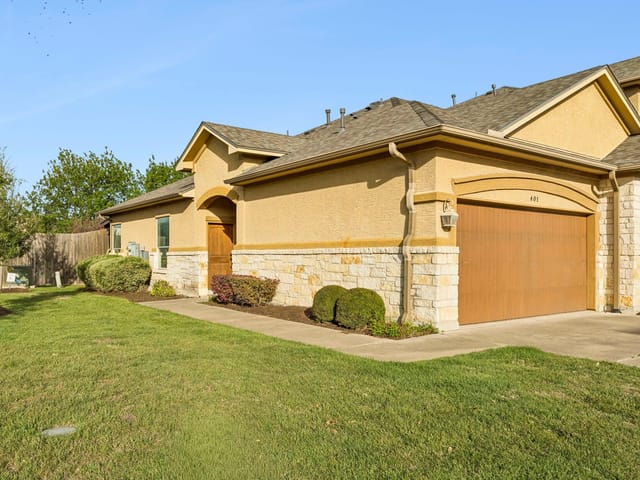
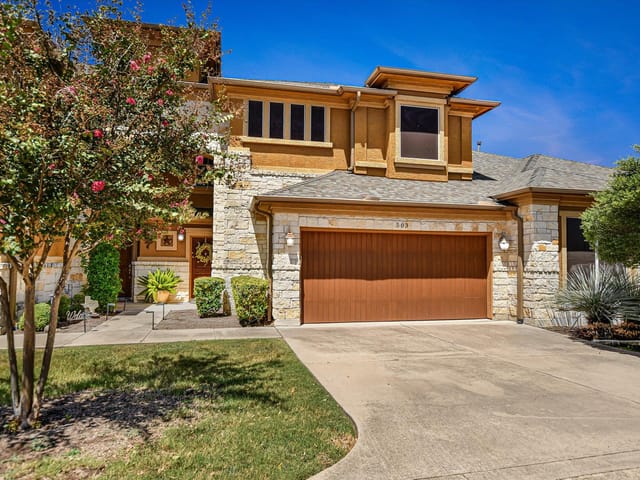
This rarely available single-story end unit is a beautifully maintained 2 Bedroom, 2 Bath gem, nestled in the serene, gated community of Onion Creek. It's perfect for those seeking a lock-and-leave lifestyle. With easy access to Austin's major thoroughfares, you can quickly reach any destination in the city. The owner has upgraded to Anderson Double Hung windows and refreshed the interior paint in 2020. Enjoy the comfort of no carpet, with LVP and tile flooring throughout. The private backyard is a tranquil oasis, featuring an 8-foot wood fence and a spacious Western Red Cedar patio cover. HOA fees include roof and exterior maintenance, lawn care, mowing, and the upkeep of shrubs and trees, plus 24-hour security. This home is free of interior steps and is situated just half a mile from the Onion Creek Club, offering a pool, fitness center, grill, tennis/pickleball courts, and 27 holes of premier golf.
- Property Type
- Residential
- Year Built
- 2008
- Lot Size
- 0.10 acres
- Price / Sq Ft
- $263
- HOA
- $325/mo
- Garage
- 2 spaces
Listing information last updated June 17, 2024.
Listed by Fathom Realty
MLS# 7136650 • Closed
IDX inquiries: Keenan Group at Compass · (512) 415-7653
Properties displayed may be listed or sold by various participants in the MLS.
Highlights
Facts & Features
Interior
- Breakfast Bar
- Ceiling Fan(s)
- Granite Counters
- High Speed Internet
- Open Floorplan
- Primary Bedroom on Main
- Walk-In Closet(s)
- Dishwasher
- Disposal
- Dryer
- Gas Cooktop
- Gas Range
- Microwave
- Free-Standing Gas Range
- RNGHD
- Free-Standing Refrigerator
- Washer
- Dryer
- Tile
- Wood
- Heating
- Central,Fireplace(s),Natural Gas
- Cooling
- Ceiling Fan(s),Central Air
- Fireplaces
- 1
Exterior & Lot
- Rain Gutters
- Private Yard
- Frame
- Stucco
- Back Yard
- Landscaped
- Near Golf Course
- Private
- Sprinklers On Side
- Back Yard
- Full
- Privacy
- Wood
- Slab
- Covered
- Deck
- Rear Porch
- Roof
- Composition
- Lot Size
- 0.10 Acres
- Attached
- Driveway
- Garage Faces Front
- Gated
- Off Street
- Garage Spaces
- 2
Financial
- HOA Fee
- $325 / mo
- Original List Price
- $398,000
- Price per Sq Ft
- $263
Utilities
- Cable Connected
- Electricity Connected
- Natural Gas Connected
- Underground Utilities
- Water Connected
- Water Source
- Public
- Sewer
- Public Sewer
Transaction History
1 record on file
Every recorded listing, sale, and lease at 2210 Onion Creek PKWY Unit #404, whoever represented it.
- SoldJune 11, 2024Listed at: $398,000MLS 7136650
Prices shown are list prices. Closed sale prices are available to registered clients in accordance with ACTRIS rules.
Explore this area
Price & Listing History
Listing timeline with current price, original ask, and market time.
- Current list
- $398,000
- Original list
- $398,000
- Price movement
- No verified reduction
- Listed / DOM
- May 3, 2024
Tax Record
Public record data from county appraisal records. Market value can differ from assessed value.
- Assessed Value
- $382,297
- Assessment Year
- 2025
- Year Built
- 2008
- Parcel ID
- 000000774557
| Year | Taxes | Total Assessment | Land | Additions |
|---|---|---|---|---|
2025-4.1% | — | $382,297 | — | — |
2024+2.8% | — | $398,674 | $31,878 | $341,258 |
2023+40.4% | — | $387,751 | $31,878 | $366,796 |
2022+9.9% | — | $276,254 | $31,878 | $355,873 |
2021 | — | $251,280 | $31,878 | $244,376 |
Virtual Tour
Zoned Schools
Akins
Paredes
Blazier
Zoned assignments come from the property school fields available to us. District context schools are shown only when an assigned tier is missing. Contact the school district directly to verify current boundaries and enrollment eligibility.
Excluded from this estimate: property taxes and home insurance. Each requires verified amount, cadence or unit, source, and as-of details.
HOA source: MLS Grid / Unlock MLS, as of 2026-04-25T02:51:50.833075+00:00; normalized from monthly dues.
20% ($80K)
Adjustable assumption - not a lending recommendation.
$398,000
Luxury property intelligence
Keenan Market Position
A sourced read on Austin pricing, timing, and property scale. No automated valuation claim.
List price
$398,000
Price per sqft
$263/sqft
Vs. Neighborhood guide reference price
Not available
Days on market
Not available
Original to current
No verified reduction
$398K original
Active inventory context
Ask for current inventory
Source: MLS Grid / Unlock MLS and Keenan Group review as of Apr 25, 2026.
Request Private Market AnalysisConnect 2210 Onion Creek Pkwy Unit #404 to the Austin Market
78747 ZIP Guide
ZIP-level neighborhoods, schools, lifestyle, and Austin market context
Austin ISD Schools
District guide, nearby schools, and homes by attendance area
Austin Home Valuation
Private Austin CMA, TCAD context, and pricing strategy
Seller Resources
Pricing, prep, launch timing, and Compass marketing strategy
Keenan Group Results
#1 ABOR Team 2024 with $1B+ career sales volume