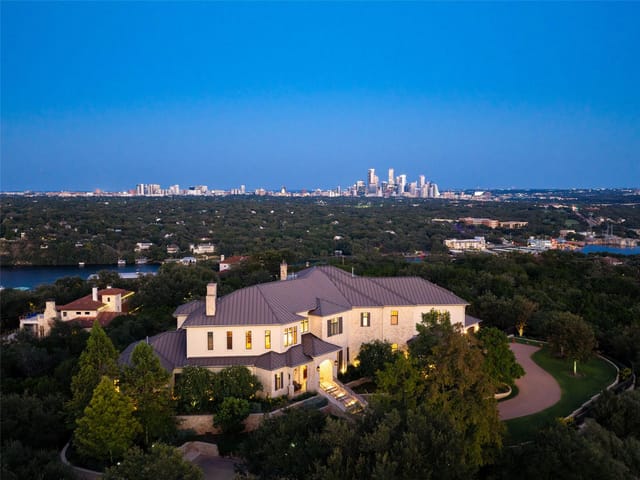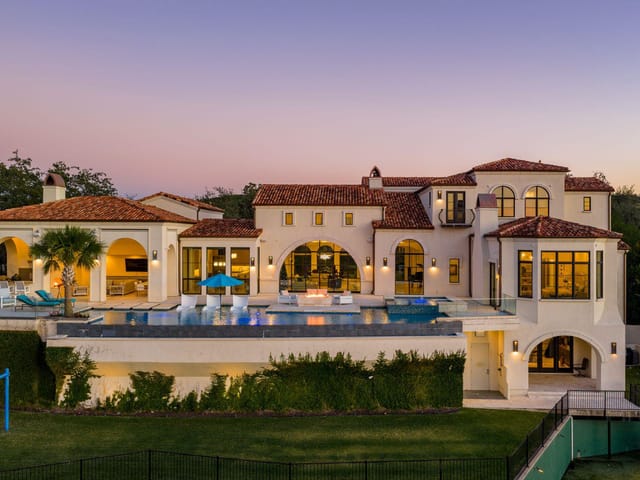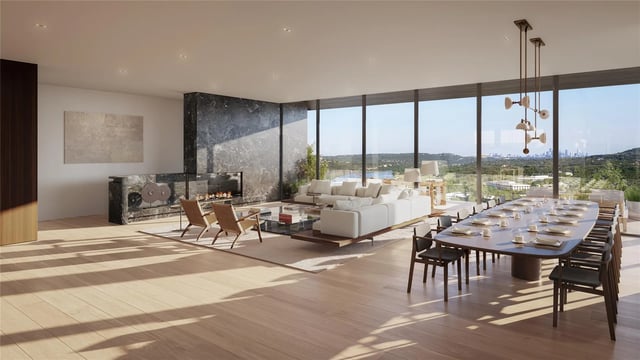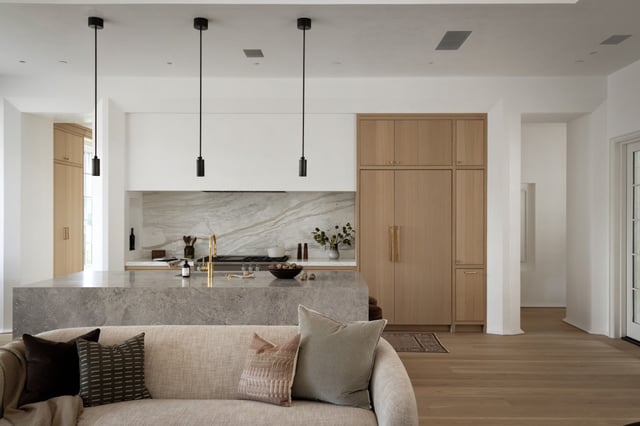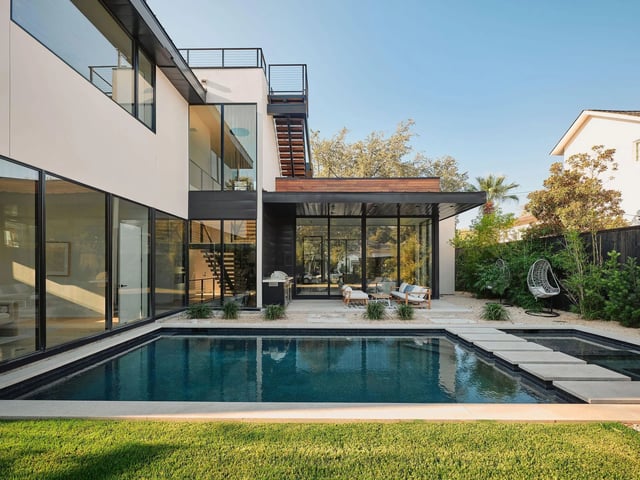
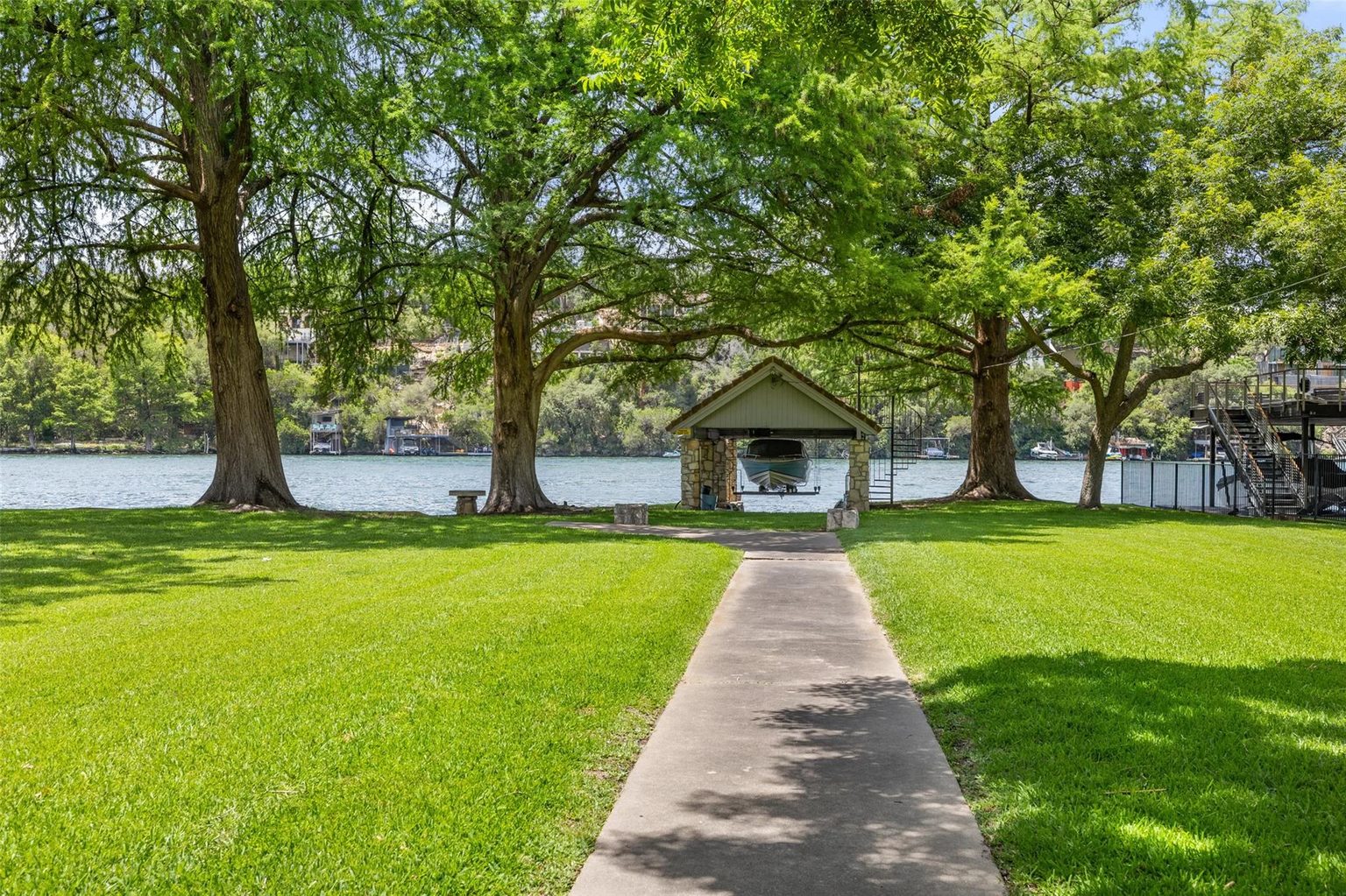
Waterfront property in Austin does not follow the same valuation rules as the rest of the market. A standard comparable market analysis assumes that similar square footage, lot size, and neighborhood will produce reliable pricing. On the water, those assumptions break down entirely.
The variables that drive waterfront value - dock permit status, shoreline footage, water depth, lake identity, and shore orientation - are invisible to automated valuation models and unfamiliar to most agents who primarily sell land-locked homes. Getting waterfront pricing wrong costs sellers hundreds of thousands of dollars. It costs buyers even more when they overpay for a property with hidden limitations.
The dock permit is the million-dollar question that no algorithm asks. I have seen two adjacent lots on Lake Austin - same shoreline footage, same views - trade $1.2M apart because one had a permitted two-slip covered dock and the other had a pending LCRA application with no guarantee of approval. Zillow showed them at the same value.
Lake Austin vs Lake Travis: Two Different Markets
Buyers new to Austin frequently confuse Lake Austin and Lake Travis, or assume they are interchangeable. They are not. The lakes operate under fundamentally different water management systems, and that difference drives pricing, lifestyle, and long-term value.
Lake Austin (Constant-Level Pool)
Lake Austin maintains a nearly constant water level year-round. It sits between Tom Miller Dam and Mansfield Dam, functioning as a run-of-the-river reservoir. The water level fluctuates only 1-3 feet in normal conditions. Your dock stays in the water. Your shoreline stays consistent. Your views do not change with rainfall.
This consistency is why Lake Austin commands the highest per-foot waterfront pricing in Central Texas. Homes on Lake Austin typically range from $3M to $25M+, with the most valuable properties concentrated between Red Bud Isle and the Pennybacker Bridge.
Lake Travis (Flood-Control Reservoir)
Lake Travis is managed by LCRA (Lower Colorado River Authority) as a flood-control reservoir. Water levels can fluctuate 30-60+ feet depending on rainfall and regional water demand. During the 2011 drought, Lake Travis dropped nearly 60 feet, leaving docks on dry land and boat ramps hundreds of yards from the water line.
Lake Travis waterfront is less expensive than Lake Austin - typically $1.5M to $10M for comparable shoreline - partly because of this variability. Buyers must understand that "waterfront" on Lake Travis can mean water at your doorstep in a wet year and a long walk down exposed limestone in a dry one.
Pricing Implications
| Factor | Lake Austin | Lake Travis |
|---|---|---|
| Water level consistency | 1-3 ft variation | 30-60+ ft variation |
| Typical waterfront range | $3M-$25M+ | $1.5M-$10M |
| Shoreline $/linear foot | $5,000-$8,000 | $3,000-$5,500 |
| Dock permit value add | $800K-$1.5M | $500K-$900K |
| Year-round usability | Guaranteed | Weather-dependent |
Dock Permit Status: The #1 Value Driver
Nothing affects waterfront home value more than dock permit status. The LCRA controls all dock permits on both lakes, and their permitting process is complex, slow, and not guaranteed.
Permitted Dock (Highest Value)
A fully permitted dock with current LCRA approval adds $500K-$1.5M to property value depending on location, dock type, and lake. This is not an amenity premium - it is a structural component of the property's worth. Permitted docks transfer with the property and are the gold standard for waterfront buyers.
Grandfathered Dock
Some docks predate current LCRA regulations and exist under grandfathered status. These are legal and transferable, but come with restrictions: you typically cannot expand them, and major repairs may trigger a new permit review. Grandfathered docks carry slightly less certainty than fully permitted ones, but still command strong premiums - usually 80-90% of what a newly permitted dock would add.
Unpermitted Dock
An unpermitted dock is a liability, not an asset. LCRA can issue removal orders, and buyers who purchase properties with unpermitted structures inherit that risk. During due diligence, confirming dock permit status through LCRA records is non-negotiable. An unpermitted dock may add zero value - or negative value if removal costs and shoreline restoration are required.
No-Dock-Possible
Some waterfront lots cannot support a dock at all. Cliff frontage, shallow water, environmental restrictions, or proximity to dam infrastructure can all prevent dock installation. These properties trade at a 30-50% discount compared to dock-permitted waterfront, depending on whether alternative water access exists (community dock, neighbor easement, or nearby boat ramp).
Shoreline Footage Pricing
Waterfront property is priced partly by linear foot of shoreline - the direct measurement of your water boundary. In Austin, shoreline values range from $3,000 to $8,000+ per linear foot depending on several factors:
Location on the lake: Properties between Red Bud Isle and Loop 360 on Lake Austin command the highest per-foot pricing due to proximity to downtown and Westlake. Upper Lake Austin (above the Pennybacker Bridge) trades at $3,500-$5,500/ft. Lower Lake Austin commands $5,000-$8,000/ft.
Water depth at shoreline: Deep water frontage (8+ feet at the dock) is worth 20-40% more than shallow frontage. Buyers who want wakeboarding, skiing, or larger boats need minimum 8-foot depth, and ideally 12+.
Shoreline orientation: South-facing shoreline on Lake Austin receives more direct sunlight and commands a 10-15% premium for pools and outdoor living. North-facing gets afternoon shade - preferred by some, but the market generally favors southern exposure.
Shoreline condition: Natural limestone with gradual grade to water is ideal. Steep cliffs requiring stairs, erosion-prone banks needing seawalls ($200K-$500K to build), or muddy bottoms all reduce per-foot value.
North Shore vs South Shore: The 15-25% Premium
On Lake Austin specifically, the south shore consistently trades at a 15-25% premium over the north shore. The reasons are practical:
- Proximity to Westlake and downtown: South shore properties have shorter commutes to central Austin. A home on the south shore near Westlake Drive is 10-12 minutes from downtown. The north shore equivalent via 2222/360 is 20-25 minutes.
- School districts: South shore falls primarily in Eanes ISD (Westlake). North shore falls in Austin ISD or Lake Travis ISD depending on location.
- Neighborhood context: South shore backs into established luxury neighborhoods (Westlake Hills, Rollingwood). North shore backs into more varied contexts.
For a comparable property - same square footage, same shoreline, same dock - expect the south shore version to trade $500K-$1.5M higher depending on total price point.
Water-Access vs Waterfront: The 40-60% Gap
This distinction catches buyers every year. A property with "water access" is not waterfront. Water access means the community has a shared boat ramp, a private road to the lake, or a deeded easement for water entry. You do not own shoreline. You cannot build a private dock. You share the access point with neighbors.
Waterfront means your lot boundary touches the water. You own the shoreline (subject to LCRA regulations above the mean high-water mark). You can pursue dock permits. You have direct, private access.
The pricing gap is massive: 40-60% between comparable homes where one is true waterfront and the other has community water access. A home with a shared boat ramp in a waterfront community might sell for $1.2M. The true waterfront lot next door with private shoreline and a dock permit might sell for $2.5M-$3M.
Marketing language often blurs this line. "Waterfront community" and "waterfront home" are very different things. Always verify whether the specific lot's boundary touches the water by reviewing the survey.
Dock Type and Condition: $200K-$400K Swings
Not all docks are equal, and dock quality significantly affects both usability and value:
| Dock Type | Approximate Cost New | Value Premium |
|---|---|---|
| Basic floating dock (no cover) | $40K-$80K | Baseline |
| Covered slip with boat lift | $120K-$200K | +$150K-$250K |
| Two-slip covered with jet ski lifts | $200K-$350K | +$250K-$400K |
| Full party dock with upper deck | $250K-$400K | +$300K-$400K |
A property with a deteriorating basic floating dock versus one with a newer two-slip covered boat lift and dual jet ski ports can show a $200K-$400K difference in value - from the dock alone.
Dock condition also matters for appraisal and lending. A dock in disrepair may trigger lender concerns, and replacement costs are significant. Buyers should factor dock condition into their offer just as they would roof age or HVAC condition.
Why Automated Valuations Fail for Waterfront
Zillow's Zestimate, Redfin's estimate, and similar AVMs cannot accurately price waterfront property. Here is why:
- Dock permit status is not in any public database these tools access. The LCRA permit system is separate from county records.
- Shoreline quality is not quantified in MLS data. The MLS records "waterfront: yes/no" - it does not capture feet of shoreline, water depth, or orientation.
- Water level impact is invisible to algorithms. An AVM cannot distinguish between a Lake Travis home with water at the dock and one that is 40 feet above current water level.
- Comparable sales are too sparse. True waterfront homes sell infrequently - perhaps 15-30 per year on Lake Austin. Statistical models need hundreds of comps to be reliable.
- Unique amenities defy categorization. A boathouse with guest quarters, a permitted party dock, or a private swimming cove - these do not fit into checkbox databases.
The result: AVMs on waterfront property are frequently 20-40% off actual market value, in either direction. Relying on them for pricing decisions is a costly mistake.
What a Waterfront CMA Requires
A standard luxury CMA takes 1-2 hours of research and analysis. A waterfront CMA takes 3-10 hours. Here is what the additional time covers:
- LCRA permit research: Verifying dock permit status, any pending applications, compliance history, and permitted dimensions.
- Shoreline measurement and quality assessment: Linear footage, grade, water depth at multiple points, erosion patterns, seawall condition.
- Comp adjustments for water variables: Adjusting comparable sales for differences in dock type, shoreline footage, water depth, lake identity, and shore orientation.
- Flood zone and insurance analysis: FEMA mapping, historical flood data, and insurance cost implications for the specific lot.
- HOA/POA water access restrictions: Some waterfront communities restrict dock modifications, boat size, or usage hours.
- Market timing analysis: Waterfront inventory is seasonal. Spring/summer listings typically command 5-10% premiums over fall/winter closings.
This level of analysis requires waterfront-specific experience. An agent who sells one or two lakefront homes per year simply does not have the comparable sales knowledge or LCRA familiarity to price accurately.
Keenan Group Waterfront Experience
We have closed over $50M in Lake Austin waterfront transactions. This includes properties ranging from $2M condos with boat slips to $15M+ estates with private coves and multi-slip docks. That transaction volume means we have firsthand comp data that does not exist in any public database - knowledge of what specific dock configurations, shoreline conditions, and views actually commanded in closed negotiations.
Waterfront sellers deserve an agent who understands LCRA permitting timelines, dock valuation methodology, and the buyer pool for $3M+ lake properties. Waterfront buyers deserve an agent who can identify permit risks, hidden costs, and value gaps before they close.
Next Steps
If you own waterfront property and want to understand its current market position, request a waterfront-specific home valuation. Our waterfront CMA goes far beyond automated estimates.
Explore waterfront listings and area data: Lake Austin waterfront homes | Lake Austin neighborhood guide
Learn how professional valuations differ from online estimates: How a CMA works | Austin CMA details
See our track record across 1,000+ transactions, or contact us to discuss your waterfront property.