
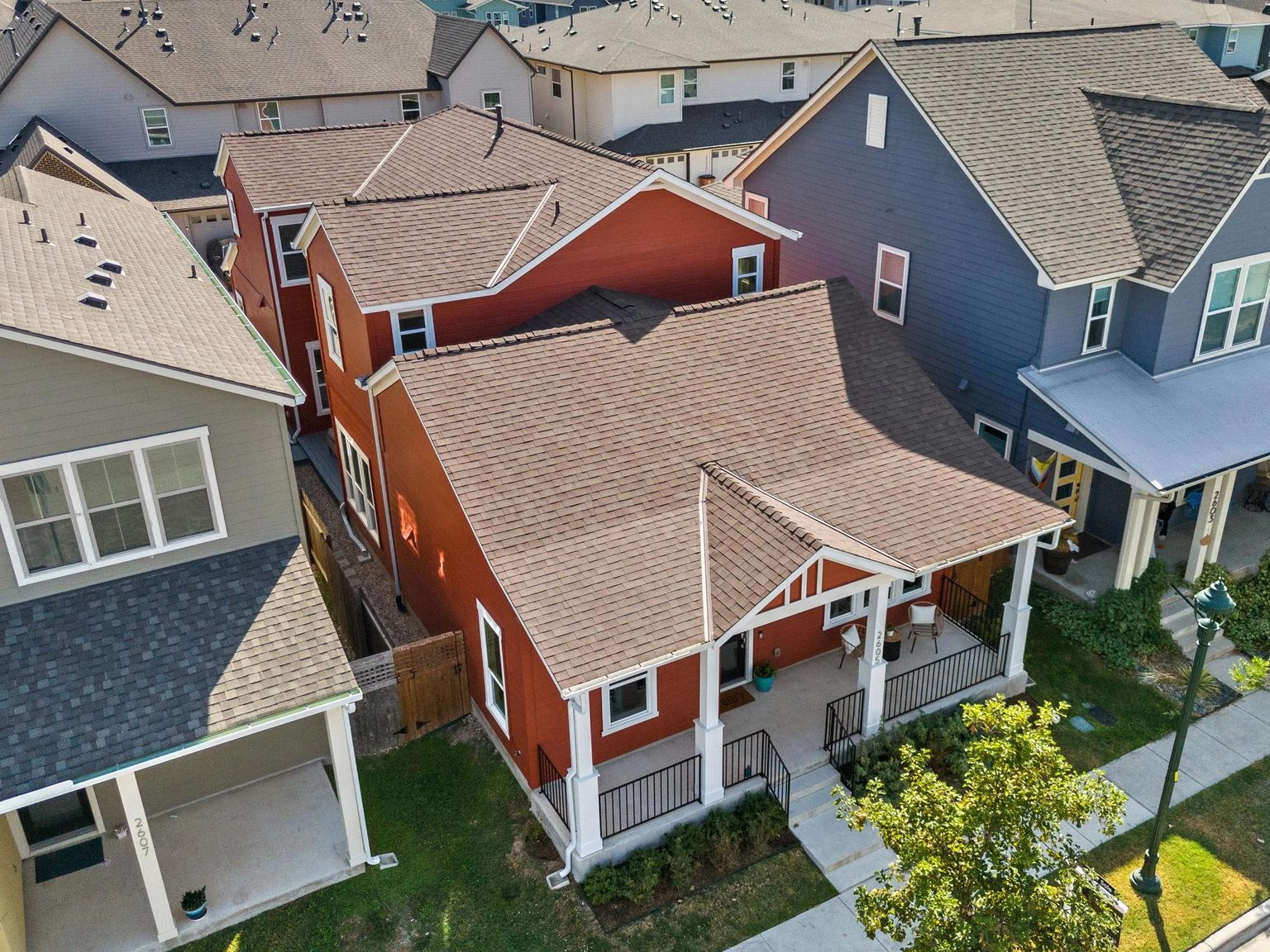
Austin Rent vs. Buy Analysis 2025: When Each Makes Sense
The median Austin home sits around $450,000. A typical three-bedroom rental runs $2,500 to $3,500 per month. The Keenan Group helps clients evaluate this decision regularly. Those two numbers frame the biggest financial decision most Austin residents face: keep renting, or buy? The answer depends on math, timing, and Austin-specific factors that national calculators often miss.
We have helped over 1,000 families work through this decision. Here is how we think about it - and how you can build a framework that fits your situation.
What Austin Rents and Home Prices Actually Look Like
Austin rental rates have softened slightly from their 2023 peaks, but they remain substantial. A one-bedroom in central Austin typically runs $1,400 to $1,700 per month. Two-bedrooms range from $1,800 to $2,200. If you need a three-bedroom house with a yard - the comparison most relevant to buyers - expect $2,500 to $3,500 in areas like Circle C, Avery Ranch, or Mueller. Luxury rentals downtown or in Westlake start around $3,500 and can exceed $8,000.
On the purchase side, entry-level homes in Manor, Pflugerville, and Kyle fall in the $350,000 to $450,000 range. The mid-market of $450,000 to $700,000 covers Northwest Hills, Circle C, Steiner Ranch, and parts of South Austin. Above $1 million, you are looking at Westlake, Tarrytown, Barton Creek, and builds along the 360 corridor.
Running the Numbers: A Real Comparison
Take a common scenario. You are renting a three-bedroom house in the Circle C area for $2,800 per month. That is $33,600 per year with no equity, no tax benefit, and no upside if home values rise. But you also have zero maintenance costs, full flexibility to move, and your capital stays liquid.
Now consider buying a comparable home at $550,000. With 20% down ($110,000) and a 6.5% mortgage rate, your principal and interest payment comes to roughly $2,780 per month. Add property taxes at approximately $1,000 per month (Texas property taxes are high - typically 2% to 2.2% of assessed value), homeowner's insurance around $250, and a maintenance reserve of $500. Your all-in monthly cost lands near $4,530.
That $1,730 gap between renting and buying looks steep. But roughly $900 of your mortgage payment goes toward principal each month - money that builds equity rather than disappearing. Mortgage interest may be tax-deductible if you itemize. And your fixed-rate mortgage payment stays the same in year ten, while rent historically increases 3% to 5% annually. Over five years, that rental could climb from $2,800 to $3,200 or more.
The Break-Even Timeline
The general guidance is that buying tends to make financial sense when you plan to stay at least five years. That timeline allows closing costs (typically 2% to 3% of the purchase price) to amortize, equity to accumulate meaningfully, and appreciation to compound.
Austin's price-to-rent ratio - purchase price divided by annual rent - currently sits around 16 to 18 in most neighborhoods. Below 15 generally favors buying; above 20 favors renting. Austin falls in the middle, which means your personal variables matter more than broad market math: mortgage rate, expected length of stay, tax bracket, and what you could earn investing your down payment elsewhere.
In neighborhoods like Pflugerville and Cedar Park, where price-to-rent ratios tend to run closer to 14 to 16, the math often tips toward buying sooner. In downtown Austin and the Domain area, where luxury rents compete with high condo prices and HOA fees, the ratio can push above 20 - making renting a reasonable long-term choice.
When Renting Could Be the Smarter Move
Renting often makes more sense than people assume, and we tell clients that honestly. If you may relocate within two to three years, transaction costs of buying and selling could wipe out equity gains. If you are still building a down payment or stabilizing your income after a career change, renting gives you time without financial pressure.
Austin is also a city worth exploring before committing to a neighborhood. The difference between South Lamar and Cedar Park is enormous - not just in price, but in lifestyle, commute, and community feel. A year of renting in different parts of the city often leads to a much better purchase decision.
Life transitions matter too. Divorce, job uncertainty, or a recent move to Austin are all situations where lease flexibility outweighs ownership benefits. And if you believe you can earn stronger returns investing your down payment elsewhere, the opportunity cost calculation may favor renting.
When Buying Makes Strong Sense
If you have committed to Austin for five or more years, have stable income, and can put 20% down while keeping an emergency fund intact, buying typically works in your favor. The combination of equity building, fixed housing costs, and Austin's long-term appreciation trend creates a compounding advantage over time.
Texas offers no state income tax, which means more of your income can go toward a down payment. The state's homestead exemption reduces your property tax burden on your primary residence. And Austin's diverse economy - anchored by tech, government, healthcare, and the university - provides a more stable foundation for property values than single-industry cities.
Beyond the math, ownership brings lifestyle benefits that are hard to quantify. You can renovate without landlord approval, keep your kids in the same school, and have pets without breed restrictions. For many families, these factors carry as much weight as the spreadsheet.
The Hidden Costs on Both Sides
Renters often underestimate compounding rent increases. At 4% per year, $2,800 monthly rent becomes $3,407 in five years - an extra $7,284 annually. Moving costs and renter's insurance add up quietly.
Buyers sometimes underestimate ownership costs. Texas property taxes are among the highest in the country. Budget 1% to 2% of your home's value annually for maintenance. HOA fees in master-planned communities run $100 to $400 per month. And the opportunity cost of a $110,000 down payment, potentially earning 7% to 10% annually in a diversified portfolio, is real money.
Honest analysis requires accounting for all of these factors, not just the monthly payment.
Our Recommendation
There is no universal right answer, and anyone who tells you otherwise is selling something. The best choice depends on your timeline, financial position, lifestyle priorities, and risk tolerance. We help clients build a detailed analysis for their specific situation - and sometimes renting makes more sense right now.
What matters is making the decision with clear data rather than assumptions. We are happy to run the numbers with you, no pressure and no obligation.
Contact us: 512-415-7653 | keenan@compass.com
Related Resources
Frequently Asked Questions
Is it cheaper to rent or buy in Austin 2026?
What is the average rent in Austin?
When does buying make more sense than renting in Austin?
Interested in Tarrytown?
Get a confidential market brief for Tarrytown with current inventory, pricing, and strategy recommendations from Austin's #1 team.
Active Listings in Tarrytown
View All →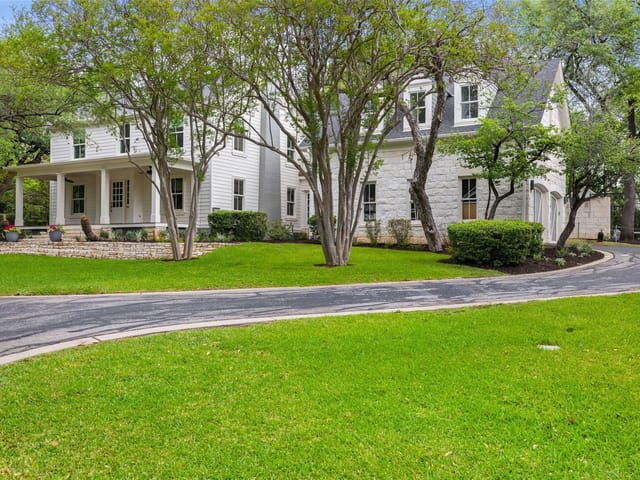
2308 Bridle PATH
Austin, TX 78703
Westfield A
MLS# 9060328 • Courtesy of ACTRIS
$8,750,000
$1,506/sqft
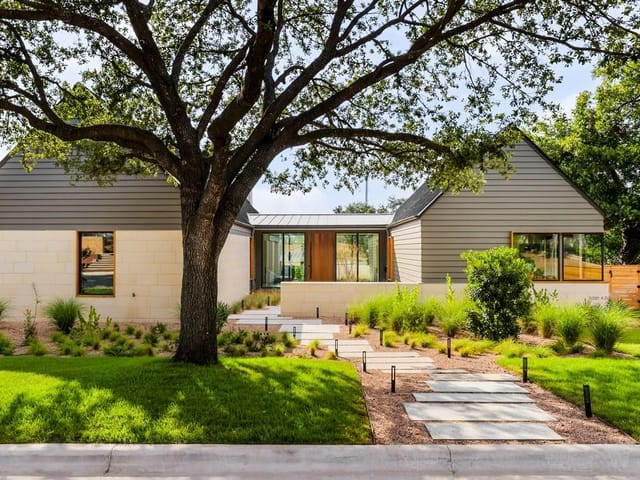
2308 Hartford Rd
Austin, TX 78703
Sunset Hill Enfield 02
MLS# 4454035 • Courtesy of ACTRIS
$7,425,000
$1,401/sqft
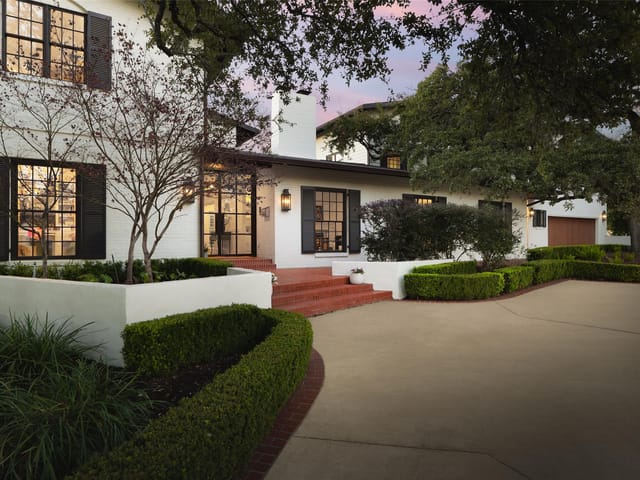
2604 Wooldridge DR
Austin, TX 78703
Pemberton Heights Sec 08
MLS# 5069346 • Courtesy of ACTRIS
$6,525,000
$998/sqft
3407 Timberwood CIR
Austin, TX 78703
Timberwood
MLS# 7766184 • Courtesy of ACTRIS
$6,500,000
$1,370/sqft
For the current Austin luxury market, see the live Keenan Luxury Market Index on our Market Report - the named, citeable benchmark we track across Austin's luxury micro-markets.