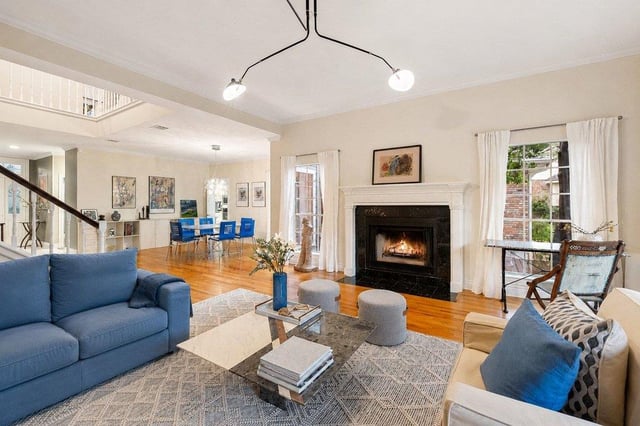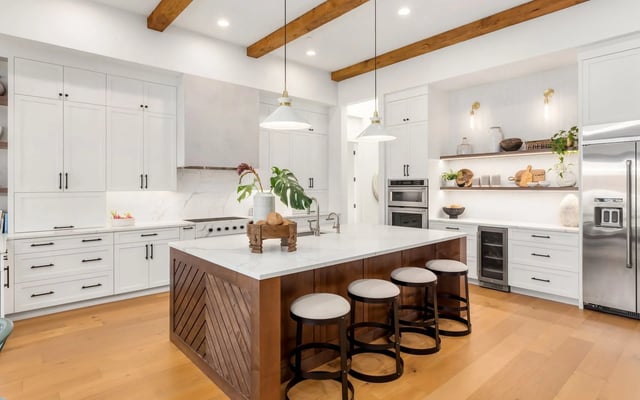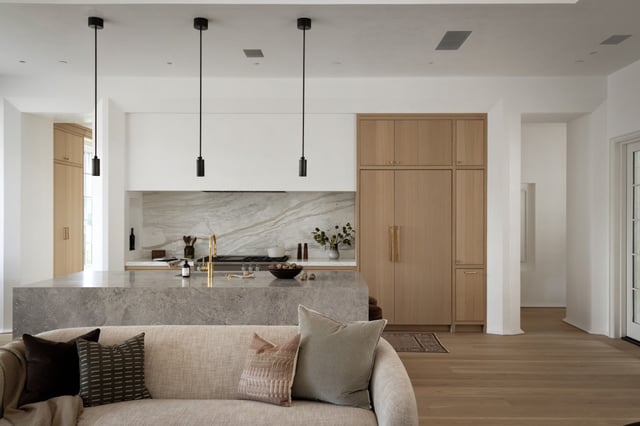
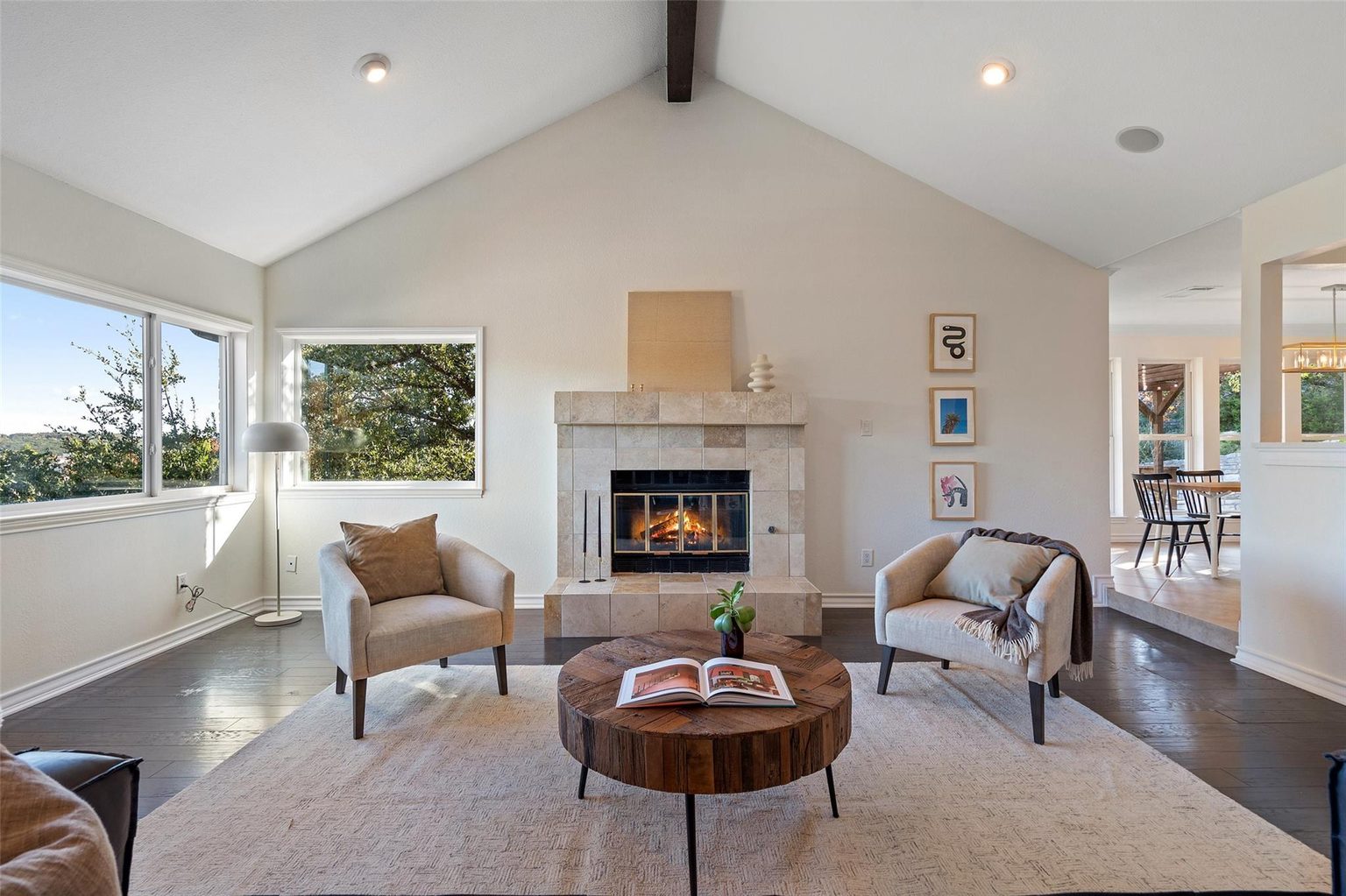
The eight mistakes that cost Austin sellers the most time and money are overpricing, weak preparation, skipped repairs, amateur photos, limited showings, taking feedback personally, rejecting low offers outright, and staying home during showings. Overpricing is the costliest. Austin's broader market runs a 55-day median days on market at 91.3% of original list price. Keenan Group listings, priced to current comparable sales, carry a 13-day median.
Keenan Group, Austin's #1 team (Austin Board of Realtors 2024), has closed 1,000+ transactions over 25 years. These are the recurring mistakes that cost homeowners time, money and negotiating power during the listing and sale process. Overpricing and poor staging are the top two reasons Austin listings stall.
Top 8 Seller Pitfalls in Austin

After 1,000+ transactions over 25 years, the same 8 mistakes account for 90% of seller frustration. Overpricing alone costs the average Austin seller $30,000-$50,000 in final sale price and 30-60 extra days on market. Every one of these pitfalls is preventable with proper preparation.
Here are the 8 pitfalls we see most often and how to avoid them.
- Setting an unrealistic price
Your home's first two weeks on market get the most attention from buyers and agents. Price it above what recent comparable sales support and you spend that window attracting the wrong buyers or none at all. The listing goes stale, you cut the price, and serious buyers wonder what's wrong with the house.
Austin's broader market closes at a median 91.3% of original list price with a 55-day median time on market. That gap between asking and closing is mostly sellers who started too high. A competitive price based on recent closed sales sells faster and typically nets more than a price cut after 30 days of silence.
The first two weeks on market are called the honeymoon period for a reason. That's when your listing is newest, gets the most portal visibility and attracts the most serious buyers. An overpriced home burns through that window without generating competitive interest. By the time you reduce the price, the initial wave has moved on and new buyers wonder why the home has been sitting.
A good pricing strategy starts with a comparative market analysis - recent closed sales of similar homes in your area, adjusted for condition, lot size, upgrades and timing. Look at what actually sold, not what's listed. Asking prices reflect seller hopes; closed prices reflect what the market paid. Your agent should show you both so you understand where your home fits relative to recent evidence.
If you're unsure where your home fits, we can walk you through a comparable sales analysis so you see the same data a buyer's agent will use to advise their client.
- Being unprepared for your home sale
Preparation starts before staging. Buyers notice odors, dirty baseboards, leaky faucets and dim lighting before they notice your floor plan. Clean and declutter first, then stage. A buyer walking into a home that smells like pets or last night's cooking makes a judgment in the first 30 seconds that no staging can undo.
The exterior sets expectations before anyone walks in. Pressure-wash the driveway, clean the front door, trim the landscaping and replace any burned-out lights. Buyers touring four or five homes in a day remember the one that looked sharp from the street.
Inside, you want them imagining their own life in the space, not cataloging your personal items. Pack away family photos, collections, religious items and anything polarizing. Remove enough furniture that rooms feel larger and traffic flows easily. Clear kitchen counters, bathroom surfaces and closet floors. The goal is a home that photographs well, shows well and gives buyers fewer reasons to negotiate.
Staging goes further - a professional stager arranges furniture, art and accessories to highlight a home's best features and create a consistent, magazine-ready look throughout. Well-staged homes photograph better, show better and give buyers an emotional connection that empty or cluttered rooms don't.
In the Austin luxury market, staging makes a measurable difference. Well-presented homes generate more showing traffic, stronger first impressions and faster offers. The investment in professional staging - typically $5,000-$15,000 depending on the home's size and whether you're furnishing empty rooms - consistently returns more than it costs through higher offers and shorter time on market. See our detailed staging guide for specific strategies.
We can do an in-home walkthrough with you and identify what's worth addressing before your photographer arrives. Reach out to start that conversation.
- Skipping repairs and improvements before listing
Buyers in 2026 include inspection contingencies on nearly every contract. Issues will surface. Fixing known problems before listing avoids renegotiation, protects your disclosure position and keeps the deal on schedule.
Start with a pre-listing inspection. Hiring a professional inspector before you list lets you see what a buyer’s inspector will find, and address it on your own terms. Central Texas homes have specific concerns worth checking early:
- Foundation: clay soils cause seasonal movement. Cracks in brick veneer, sticking doors and uneven floors are common signs. A structural engineer’s report costs $500-$800 and gives buyers confidence.
- Plumbing: cast iron sewer lines in 1960s-era homes corrode from the inside. A camera scope ($200-$400) shows the condition before it becomes a buyer’s negotiation tool.
- Electrical: aluminum wiring and outdated panels (Federal Pacific, Zinsco) are safety flags. Remediation ranges from $2,000 for a panel swap to $15,000+ for a full rewire.
- HVAC: Austin’s heat means AC systems run hard. A unit older than 15 years will draw buyer attention. Service it, document the maintenance history and decide whether replacement before listing strengthens your position.
- Roof: missing shingles, damaged flashing and aging materials are visible from the street and from drone photos. Address obvious issues before your photographer arrives.
Beyond structural systems, cosmetic updates pay off. Fresh interior paint in neutral colors ($3,000-$8,000 for a typical Austin home) is one of the highest-return improvements. Updated lighting fixtures, clean grout, refinished hardwood floors and a tidy yard all shape buyer perception before the inspection even happens.
We keep a vetted list of inspectors, contractors, electricians, plumbers and designers we’ve worked with over 25 years. Reach out and we’ll connect you with the right people for your home.
- Using amateur listing photos
Most buyers see your home online before deciding whether to visit. Phone photos, poor lighting or cluttered backgrounds cost you showings before a buyer ever calls their agent. Professional real estate photography is standard on a well-marketed listing, and your Realtor typically covers this cost as part of their services.
A professional photographer knows how to use natural light, wide-angle composition and careful framing to make rooms feel accurate and inviting. The difference shows up in click-through rates on listing portals and in the quality of the showing requests you receive. Listings with professional photos consistently generate more interest and attract more serious buyers.
Drone photography adds real value when the lot, outdoor living space or surrounding landscape is part of what makes the home special. Aerial views give buyers perspective on the property’s position relative to trees, water, neighboring lots or community amenities that ground-level photos can’t capture.
Virtual tours and floor plans let buyers explore the layout at their own pace before scheduling a visit. This filters for more serious interest and helps out-of-town buyers, relocation buyers and anyone comparing multiple homes decide whether yours is worth a trip.
Good photos start with good preparation. Sections 2 and 3 on this list cover cleaning, decluttering and staging. Handle those before your photoshoot day so the photographer captures the home at its best.
- Limiting showings
Showings are inconvenient. You have to clean up, arrange the family, leash the dog and leave. But every declined showing is a buyer who moves on to the next listing, and that buyer rarely comes back.
Buyer's agents schedule multiple homes in a single tour. If your home is hard to get into - restricted hours, 24-hour notice requirements, frequent cancellations - they drop it from the route. Agents talk, too. A reputation for difficult showings spreads quickly in an active market.
The math is simple: more showings mean more offers. A home that's easy to show gets seen by more qualified buyers, generates more competitive interest and sells closer to asking price. A home that's hard to show sits longer, and extended days on market raise questions about the property itself.
Make the house available. Keep a showing-ready checklist by the door (dishes cleared, beds made, lights on, pets out, personal items stowed). The short-term disruption is the price of a faster sale at a better number.
- Taking feedback personally
Showing feedback can sting. A buyer who says the kitchen feels dated or the yard is too small is talking about the house, not about you. But it's hard to hear that about a place where you raised your kids or spent years making it yours.
Separate what you can fix from what you can't. Cleaning, odors, clutter, pricing and cosmetic updates are all within your control. Location, lot size, floor plan and ceiling height are not. If three showings in a row mention the same issue, that's data worth acting on.
Look at feedback through the lens of your pricing. If buyers like the home but not the price, that tells you something specific. If buyers don't comment on the home at all, that may mean you're not attracting the right audience for your price point. Your agent should be collecting this feedback systematically and helping you interpret it, not just forwarding comments.
A showing that produced feedback - even negative feedback - is better than no showing at all. It means your home is being seen, and the market is telling you something useful. The sellers who adjust based on feedback sell faster and at better prices than the ones who dismiss it.
The hardest part of selling is treating your home as a product, not a personal extension of yourself. The sooner you make that mental shift, the easier every part of the process becomes - from staging to pricing to negotiation.
- Taking a low offer personally
A low offer is a negotiation opening, not an insult. Many buyers open below asking as standard strategy. Dismissing the offer outright costs you a potential deal and sends a signal that you're not serious about negotiating.
Counter on both price and terms. You can raise the number while trimming concessions, tighten the closing timeline, or adjust contingency periods. A buyer who submitted a low offer still took the time to write one - that's interest worth working with.
Before you counter, look at the data. Pull recent comparable sales and compare them to your asking price. If the buyer's offer is closer to what comps support than your list price is, that's important information. Your agent should frame the counteroffer around the market data, not emotion.
Consider the full picture beyond price. A cash offer at 90% of asking may net you more than a financed offer at 98% that falls apart during appraisal. A buyer with no contingencies and a fast close saves you carrying costs and uncertainty. Evaluate the complete terms before deciding whether a number feels "low."
If an offer is genuinely too far apart to counter, your agent can still communicate with the buyer's agent to understand the buyer's position and whether there's room to move. Sometimes a conversation reveals flexibility that the initial number didn't show.
The sellers who get the best outcomes treat every offer as a data point and a starting position, not a verdict on their home's worth.
- Staying home during showings
When a buyer walks in and finds the seller sitting in the kitchen, the dynamic changes immediately. The buyer feels like a guest instead of a potential owner. They rush through rooms, skip closets, avoid opening cabinets and leave without the kind of connection that leads to an offer.
Your instinct might be to stay and point out features the buyer could miss - the new water heater, the custom closet system, the view from the primary bedroom at sunset. But that's your agent's job. Agents know how to present information at the right moment during a showing. A seller rattling off upgrades in the foyer overwhelms buyers before they've had a chance to form their own impression.
Buyers need to picture themselves in the space. They want to talk openly with their agent about what they like, what concerns them and whether the home fits their life. They can't do that with you in the next room.
Even waiting outside in the driveway creates pressure. Buyers see your car, know you're nearby and cut the showing short. The best approach: leave the property entirely. Take the dog for a walk, run an errand, grab coffee. Give buyers 30-45 minutes of uninterrupted time.
If leaving isn't possible - young children, health limitations, work-from-home constraints - talk to your agent about solutions. Some sellers use a neighbor's house during showings. Others coordinate showing windows around their schedule. The goal is the same: give buyers the space to fall in love with your home on their own terms.
Summary
These eight pitfalls show up in every price range and every Austin neighborhood. The common thread is preparation - pricing, staging, repairs, photos, and the discipline to stay out of the way once buyers start touring.
The sellers who avoid these mistakes treat the sale as a project with a plan, not an emotional experience. A good agent helps you build that plan, price it honestly and manage the process so you can focus on your next move.
Your agent's job is to give you honest market data, connect you with the right vendors, market the home to qualified buyers and manage the negotiation so you get the best outcome with the least friction. You shouldn't have to figure out pricing, staging, photography, showing logistics and contract terms on your own.
If you're considering selling, reach out to Keenan Group and we'll walk through your specific situation - the home, the neighborhood, the timing and what comparable sales tell us about where to price it. We'll give you a clear picture of what to expect and a plan to get there.
More Seller Resources
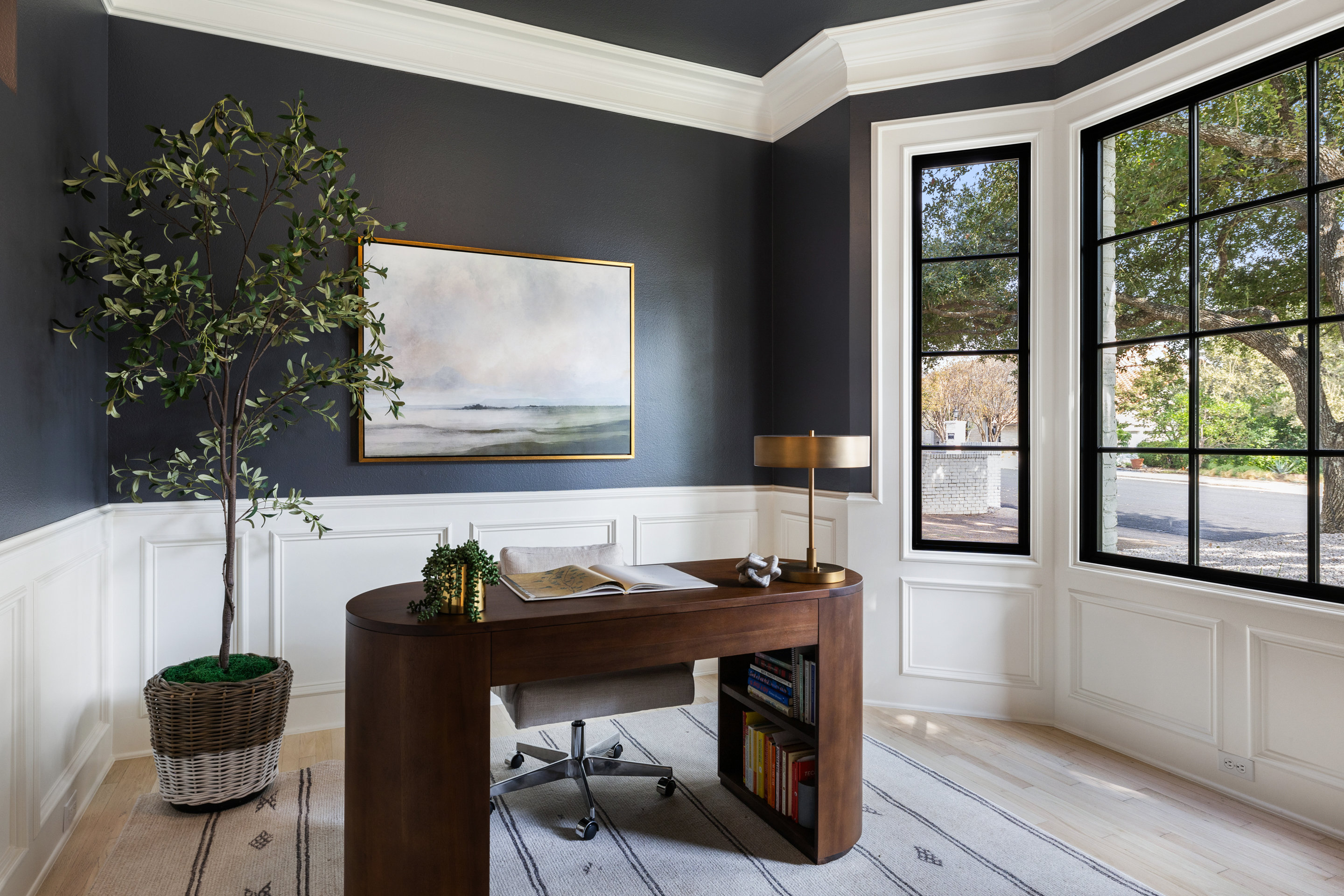
- Austin Luxury Home Staging: 10 Secrets - Professional staging strategies
- Austin Housing Market March 2026 - Current market data
- Austin Property Tax Rates 2026 - What buyers factor into offers
- Best Suburbs of Austin 2026 - Where buyer demand is strongest
Frequently Asked Questions
What is the biggest mistake sellers make in Austin?
Overpricing. Austin homes close at a median 91.3% of original list price against a 55-day median time on market (Q2 2026). A home priced above the live comps screens itself out during the first two weeks when buyer interest peaks. Homes priced to current comps move faster. Keenan Group listings, priced to live comps, carry a 13-day median days on market.
How long does it take to sell a house in Austin in 2026?
The broader Austin market runs a 55-day median days on market as of Q2 2026. Well-priced, well-staged homes in desirable neighborhoods like Westlake Hills, Tarrytown, and Northwest Hills sell in 20-35 days. Keenan Group listings carry a 13-day median.
Should I stage my home before selling?
Yes. According to the National Association of Realtors, professionally staged homes sell 30-50% faster and command 5-10% higher sale prices. In our experience, a staging investment of $10,000-$15,000 consistently returns $30,000-$50,000 or more in higher sale price. See our detailed staging guide.
Do I need to make repairs before listing in Austin?
Address major systems first: roof, HVAC, plumbing, and foundation. Central Texas clay soils drive seasonal foundation movement, and buyers are writing inspection contingencies on nearly every 2026 contract, so issues surface either way. Fixing known problems before listing avoids renegotiation and protects your disclosure position.
How do I respond to a lowball offer on my Austin home?
Treat it as a business opening, not an insult. Counter on both price and terms - you can raise the number while trimming concessions, or tighten the closing date and contingencies. Many buyers open low as standard negotiation. Lean on recent comps and your agent's read of the buyer before deciding whether to counter or hold.
Contact the Keenan Group at (512) 415-7653 for a pre-listing consultation. #1 Team 2024 Austin Board of Realtors | 25+ years | $1B+ career sales.