This property is no longer actively listed. We can help you find similar homes currently for sale, notify you if this property relists, or explore off-market opportunities in the area.
Why you're seeing this property: Unlike major portals that hide off-market listings, we maintain the most comprehensive Austin property database. View market history, neighborhood data, and discover similar homes currently for sale. #1 Austin Realtor Team 2024.
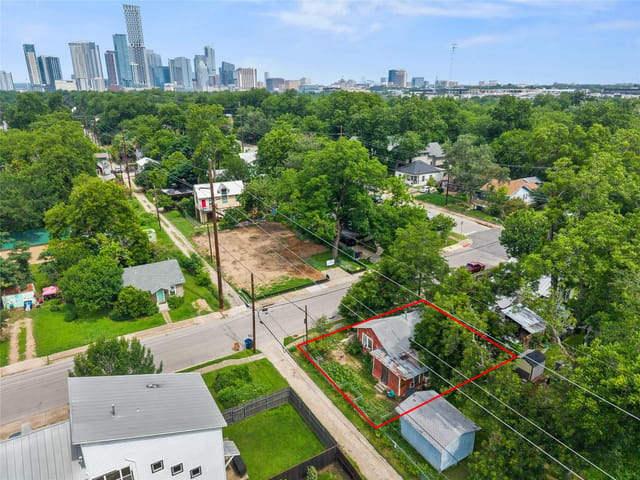
2 bed, 2 bath, 1,432 sqft on 0.17 acres in East Austin. Austin, TX 78702. Last listed at $460,000, sold July 29, 2016. Austin ISD.
About This Home
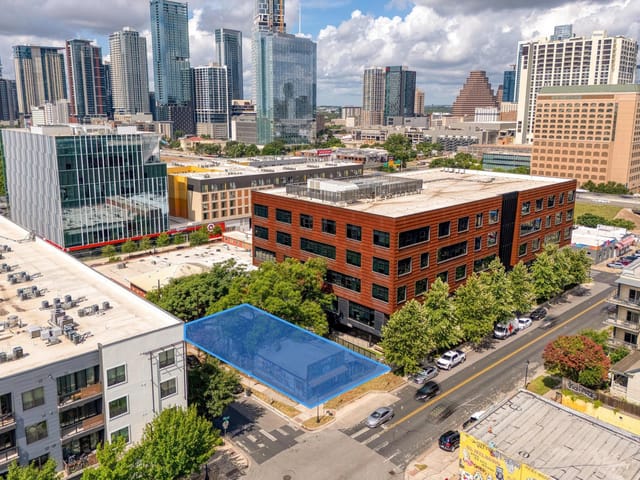
Two story duplex condo located in the heart of the very popular Holly Street Neighborhood across from Launderette Restaurant. Single family sized private yard, balcony/rooftop terrace off of master, covered parking spot and a third bedroom option/study/flex space on second floor. No HOA Dues! Entire exterior was just painted. Limited shared walls between units. This sized private yard coupled with the ample interior square feet makes this property unheard of in this prime area of 78702 for under 500k.Restrictions: Yes
East Austin is the only neighborhood in the city where you can walk from a James Beard Award-winning restaurant to a converted warehouse gallery to a live music venue to a craft cocktail bar without ever getting in your car. That walkability, combined with a building boom that has reshaped the housing stock over the past decade, makes East Austin the most dynamic real estate market in Central Texas.
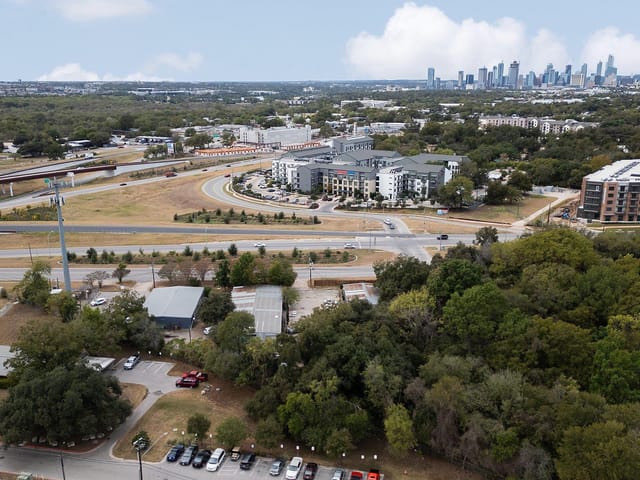
East Austin stretches from I-35 on the west to Highway 183 on the east, with Lady Bird Lake forming the southern boundary and roughly MLK Boulevard marking the northern edge of the 78702 core. The 78722 zip extends the identity further north and east. Downtown is immediately across I-35 - five minutes by car, 15 by bicycle. East Cesar Chavez, East 6th, and East 7th serve as commercial corridors, each with its own personality. East Cesar Chavez leans toward taquerias and family shops, East 6th trends cocktail bars and restaurants, East 7th mixes galleries with newer retail.
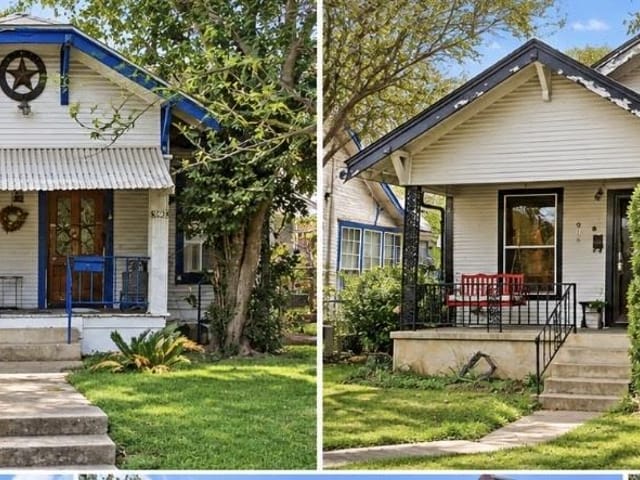
Modern townhomes and duplexes make up about 35% of sales activity, concentrated on infill lots. Original shotgun bungalows and Craftsman homes account for 25%, mostly on quieter streets east of Chicon - typically 800 to 1,200 square feet on generous lots with ADU potential. Contemporary custom homes represent 15%, with architects like Bercy Chen and Alterstudio producing some of the most interesting residential design in Texas. Unrenovated bungalows start in the mid-$400s. Renovated historic homes with ADUs land between $700,000 and $1 million. New townhomes cluster around $600,000 to $900,000. Custom builds cross $1.5 million.
East Austin falls within Austin ISD. Zavala Elementary and Blackshear Elementary handle early grades. Martin and Kealing Middle Schools are the primary options, with Kealing's magnet program drawing students districtwide. Eastside Memorial High School serves the area, though many families opt for LASA, private schools, or open-enrollment options. The school landscape is more complex than in neighborhoods with a single feeder pattern, and specific addresses matter.
The lifestyle is what people picture when they think of modern Austin. Morning starts at Cenote or Fleet Coffee. Franklin Barbecue's line forms early, but locals order ahead. The dining concentration is remarkable. Suerte does modern Mexican with in-house nixtamal. Nixta Taqueria won a James Beard Award. Launderette turns a converted laundromat into one of Austin's best brunch spots. Canje brings Caribbean cooking to Holly Street. Kemuri Tatsu-Ya fuses izakaya with smokehouse. Via 313 has been making Detroit-style pizza since before the current boom. The Butler Trail, Boggy Creek Greenbelt, Roy Guerrero Park, and Mueller Lake Park provide outdoor options.
East Austin offers urban density and walkability unmatched outside downtown, at prices that undercut the west side significantly. Compared to South Congress, it provides more housing variety and better value per square foot. Compared to Mueller, it trades master-planned orderliness for more character. The main concerns are the pace of change and the east-west infrastructure divide, which has narrowed but still shows in some areas.
East Austin is for buyers who want to live in Austin's cultural energy rather than commute to it. It fits people who eat out frequently, bike to work, and value diversity of experience. It works for investors who see ADU potential in the generous lots. If you need a large lot, a quiet cul-de-sac, or a top suburban school, look elsewhere. But if you want to walk out your front door and feel the pulse of what makes Austin different from every other Texas city, there is no better address.
School District: Austin ISD
View East Austin neighborhood guide- Property Type
- Residential
- Year Built
- 2006
- Lot Size
- 0.17 acres
- Price / Sq Ft
- $321
Listing information last updated June 13, 2023.
Listed by van Heuven Properties
MLS# 6261162 • Closed
IDX inquiries: Keenan Group at Compass · (512) 415-7653
Properties displayed may be listed or sold by various participants in the MLS.
Highlights
Facts & Features
Interior
- High Ceilings
- Vaulted Ceiling(s)
- Multiple Living Areas
- Gas Cooktop
- Dishwasher
- Disposal
- Dryer
- Refrigerator
- Washer
- Concrete
- Tile
- Wood
- Heating
- Central
- Cooling
- Central Air
Exterior & Lot
- Hardi
- Plank Type
- Trees-Medium (20 Ft - 40 Ft)
- Wood
- Slab
- Covered
- Patio
- Roof
- Metal
- Lot Size
- 0.17 Acres
- Carport
Financial
- Original List Price
- $460,000
- Price per Sq Ft
- $321
Utilities
- Electricity Available
- Natural Gas Available
- Water Source
- Public
- Sewer
- Public Sewer
Transaction History
1 record on file
Every recorded listing, sale, and lease at 2100 Holly ST Unit #A, whoever represented it.
- SoldJuly 29, 2016Listed at: $460,000MLS 6261162
Prices shown are list prices. Closed sale prices are available to registered clients in accordance with ACTRIS rules.
Explore this area
Price & Listing History
Listing timeline with current price, original ask, and market time.
- Current list
- $460,000
- Original list
- $460,000
- Price movement
- No verified reduction
- Listed / DOM
- Jun 25, 2016
Tax Record
Public record data from county appraisal records. Market value can differ from assessed value.
- Assessed Value
- $621,353
- Assessment Year
- 2025
- Year Built
- 2006
- Parcel ID
- 000000769021
| Year | Taxes | Total Assessment | Land | Additions |
|---|---|---|---|---|
2025-21.9% | — | $621,353 | — | — |
2024+13.1% | — | $795,489 | $225,000 | $437,740 |
2023+29.8% | — | $703,236 | $225,000 | $570,489 |
2022+18.0% | — | $541,914 | $225,000 | $478,236 |
2021 | — | $459,402 | $175,000 | $366,914 |
Virtual Tour
Zoned Schools
Eastside Memorial
Martin
Metz
Zoned assignments come from the property school fields available to us. District context schools are shown only when an assigned tier is missing. Contact the school district directly to verify current boundaries and enrollment eligibility.
Excluded from this estimate: property taxes, home insurance, and HOA dues. Each requires verified amount, cadence or unit, source, and as-of details.
20% ($92K)
Adjustable assumption - not a lending recommendation.
$460,000
Luxury property intelligence
Keenan Market Position
A sourced read on East Austin pricing, timing, and property scale. No automated valuation claim.
List price
$460,000
Price per sqft
$321/sqft
Vs. Neighborhood guide reference price
-22.3%
$592.2K · East Austin neighborhood guide · reference price
Days on market
Not available
Original to current
No verified reduction
$460K original
Active inventory context
293 listings
Price Position in East Austin
Listed 22% below the East Austin neighborhood guide reference price. East Austin neighborhood guide · reference price.
Source: MLS Grid / Unlock MLS and Keenan Group review as of Apr 25, 2026.
Request Private Market AnalysisConnect 2100 Holly St Unit #A to the Austin Market
East Austin Neighborhood Guide
Lifestyle, schools, market context, and homes in East Austin
East Austin Homes for Sale
Active listings and buyer search context in East Austin
78702 ZIP Guide
ZIP-level neighborhoods, schools, lifestyle, and Austin market context
Austin ISD Schools
District guide, nearby schools, and homes by attendance area
Austin Home Valuation
Private Austin CMA, TCAD context, and pricing strategy
Seller Resources
Pricing, prep, launch timing, and Compass marketing strategy
Keenan Group Results
#1 ABOR Team 2024 with $1B+ career sales volume