Austin Home Equity Options 2025: Leveraging Your Property Value
Home equity is the difference between your property's current market value and the outstanding balance on your mortgage. The Keenan Group helps clients understand how to access this value strategically. In Texas, home equity lending is governed by Article XVI, Section 50 of the Texas Constitution - one of the most protective (and restrictive) sets of equity lending rules in the United States. As of Q1 2026, the typical Austin luxury homeowner who purchased before 2021 holds $500,000-$1,000,000+ in accessible equity, even after the 2022-2023 market correction.
"Texas home equity rules are stricter than any other state, but they protect you. The 80% LTV cap, the 12-day cooling period, the one-equity-loan-at-a-time rule - these exist because the Texas legislature saw what happened in 2008 when other states let homeowners borrow 100%+ of their home value. Understanding these rules is the first step." --- Joe Keenan, Keenan Group, #1 ABOR Team 2024
Three main tools exist for tapping home equity. Here is how each works and when to use them.
HELOC: Home Equity Line of Credit
A HELOC works like a credit card secured by your home. You get approved for a maximum draw amount, then borrow what you need, when you need it. Most HELOCs have a 10-year draw period with interest-only payments, followed by a 15 to 20-year repayment period.
As of Q1 2026, HELOC rates from Austin-area lenders like UFCU, Amplify Credit Union, and Frost Bank generally range from 7.5% to 9.5% depending on credit profile and LTV. Rates are variable, tied to the prime rate plus a margin.
HELOCs make the most sense for phased renovations, emergency reserves, or flexible investment capital.
Home Equity Loan
A home equity loan gives you a lump sum at a fixed rate with a fixed monthly payment - essentially a second mortgage. Terms run 5 to 20 years. As of Q1 2026, fixed rates in the Austin market generally fall between 7% and 9%.
Best for specific, well-defined expenses: a $200K pool project, a lump-sum investment, or consolidating high-interest debt into one fixed payment.
Cash-Out Refinance
A cash-out refinance replaces your existing first mortgage with a new, larger one and you pocket the difference. Instead of two loans, you have one.
The math depends entirely on your current rate. If you locked in at 2.75% during 2020-2021, replacing that with a 6.5-7% loan could cost $20,000-$40,000/year more in interest on a $1M loan. But if your existing rate is already 6%+, a cash-out refi lets you access equity with a single payment.
Texas-Specific Rules You Need to Know
| Rule | What It Means | Impact |
|---|---|---|
| 80% LTV cap | Cannot borrow more than 80% of appraised value across all liens | $2M home, $800K mortgage = $800K max additional |
| 12-day waiting period | 12 calendar days from application to closing | No rush decisions on equity |
| One equity loan at a time | Cannot have two home equity loans simultaneously | Must refinance to access more |
| 2% fee cap | Lender fees capped at 2% of loan amount | Protects against excessive costs |
| Attorney requirement | Lender may require attorney involvement | Adds cost but adds protection |
These rules occasionally surprise borrowers relocating from other states, but they exist for good reason - Texas had among the lowest foreclosure rates nationally during the 2008-2010 housing crisis.
Side-by-Side Comparison (As of Q1 2026)
| Feature | HELOC | Equity Loan | Cash-Out Refi |
|---|---|---|---|
| Rate | Variable (7.5-9.5%) | Fixed (7-9%) | Fixed (6.5-7.5%) |
| Access | Draw as needed | Lump sum | Lump sum |
| Payments | Interest-only option | P&I | P&I |
| Closing costs | $500-$2,000 | $2,000-$5,000 | 2-3% of new loan |
| Best for | Phased projects | Single large expense | Rate improvement + cash |
| Keeps low 1st mortgage? | Yes | Yes | No (replaces it) |
The Rate Environment and Your Strategy
"We tell clients with sub-4% first mortgages the same thing: protect that rate. A HELOC or home equity loan sits behind your existing mortgage, so you keep the low rate and add a smaller second obligation. Refinancing a 2.75% mortgage into a 6.5% mortgage to access $200K in equity could cost you $37,500/year more in interest on a $1M balance. That math rarely works." --- Cara Keenan, CLHMS, Million Dollar Guild
If your current rate is at or above 6.5%, a cash-out refinance becomes more attractive - you are not sacrificing a below-market rate. Always calculate true cost over the life of the loan, including closing costs, rate variability, and the opportunity cost of refinancing.
Documentation and Preparation
Lenders typically require two years of tax returns, recent pay stubs or K-1 statements, and two to three months of bank statements. Expect a new appraisal, payoff verification, insurance documentation, and a title commitment.
Austin's appreciation means appraisals often come in favorably, but the 2022-2023 correction means some homeowners in far-suburban areas may see lower values. Central Austin, Eanes ISD neighborhoods, and established areas like Tarrytown and Northwest Hills typically hold value well through cycles.
Using Equity Wisely
The best uses of home equity generate returns exceeding the cost of borrowing. Kitchen and bath renovations in Austin's luxury market often recover 60-80% of cost at resale. Investment property purchases (see our Investment Property Financing Guide), education funding, and debt consolidation (credit cards at 20%+ replaced with a 7-9% equity loan) represent strong uses.
The risky uses are anything that does not build value. Tapping equity for lifestyle spending, depreciating assets, or without a clear repayment plan puts your home at risk.
Honest Tradeoffs
Home equity borrowing turns an illiquid asset into cash - but it also adds risk. If property values decline and you owe more than 80% LTV, you may be unable to sell without bringing cash to closing. Variable HELOC rates can increase significantly if the Fed raises rates. And the SALT deduction cap of $10,000 limits the tax benefit of home equity interest for most luxury homeowners.
Frequently Asked Questions
How much equity can I borrow against my Austin home?
In Texas, you can borrow up to 80% of your home's appraised value across all liens combined. If your home appraises at $2M and you owe $800K on your first mortgage, your maximum additional borrowing is $800K. This is a constitutional limit that applies to all lenders.
What is the 12-day rule for Texas home equity loans?
Texas requires a minimum 12 calendar-day waiting period between your loan application and closing. This cooling-off provision is written into the state constitution and cannot be waived. Plan accordingly if you need funds by a specific date.
Should I get a HELOC or a home equity loan?
If you need funds in phases (like a multi-stage renovation), a HELOC gives you flexibility to draw as needed. If you need a specific amount for a defined purpose (like a pool build or investment property down payment), a fixed-rate equity loan gives you predictable payments.
Can I use home equity to buy an investment property?
Yes. Many Austin investors tap home equity for down payments on investment properties. The equity loan rate (7-9%) is lower than hard money (10-15%) and the funds can be used without restrictions. Just ensure the investment cash flow exceeds your combined borrowing costs.
The Keenan Group works with trusted Austin lenders and can connect you with the right professionals for your equity needs. Whether you are funding a renovation or exploring investment options, we help you think through the strategy and total cost.
Ready to get started?
Ready to take the next step? Get a home valuation if you are considering selling, explore buyer resources if you are searching, or review the Keenan Group's track record across 1,000+ Austin transactions.
Interested in Tarrytown?
Get a confidential market brief for Tarrytown with current inventory, pricing, and strategy recommendations from Austin's #1 team.
Active Listings in Tarrytown
View All →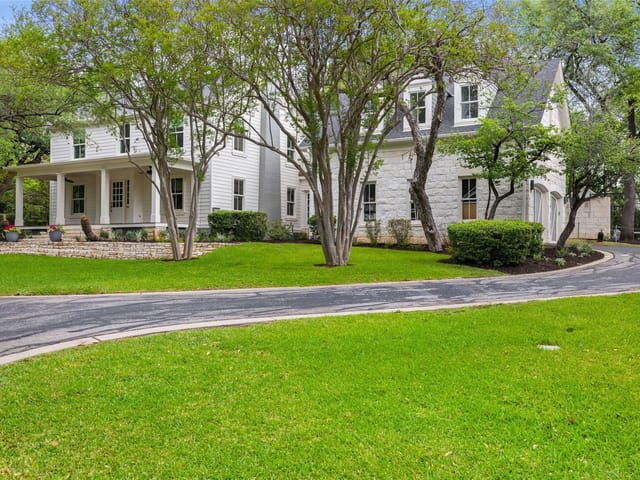
2308 Bridle PATH
Austin, TX 78703
Westfield A
MLS# 9060328 • Courtesy of ACTRIS
$8,750,000
$1,506/sqft
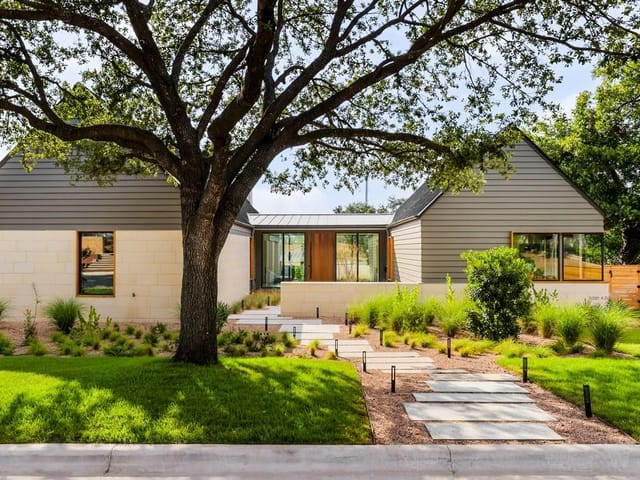
2308 Hartford Rd
Austin, TX 78703
Sunset Hill Enfield 02
MLS# 4454035 • Courtesy of ACTRIS
$7,425,000
$1,401/sqft
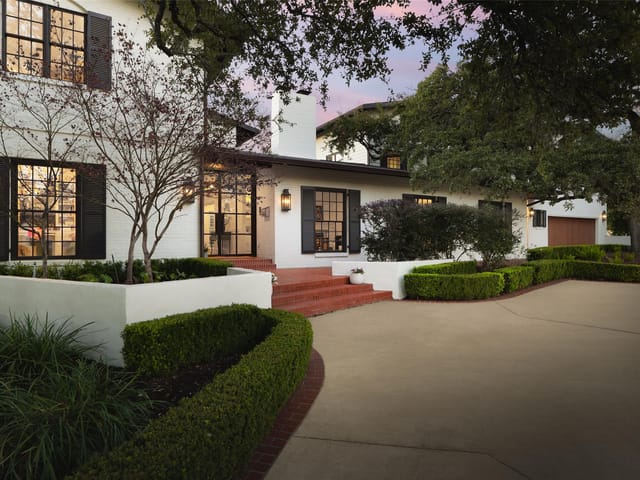
2604 Wooldridge DR
Austin, TX 78703
Pemberton Heights Sec 08
MLS# 5069346 • Courtesy of ACTRIS
$6,525,000
$998/sqft

3407 Timberwood CIR
Austin, TX 78703
Timberwood
MLS# 7766184 • Courtesy of ACTRIS
$6,500,000
$1,370/sqft