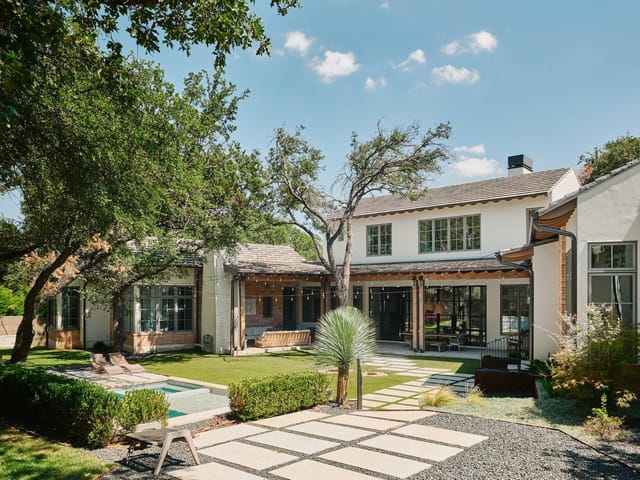
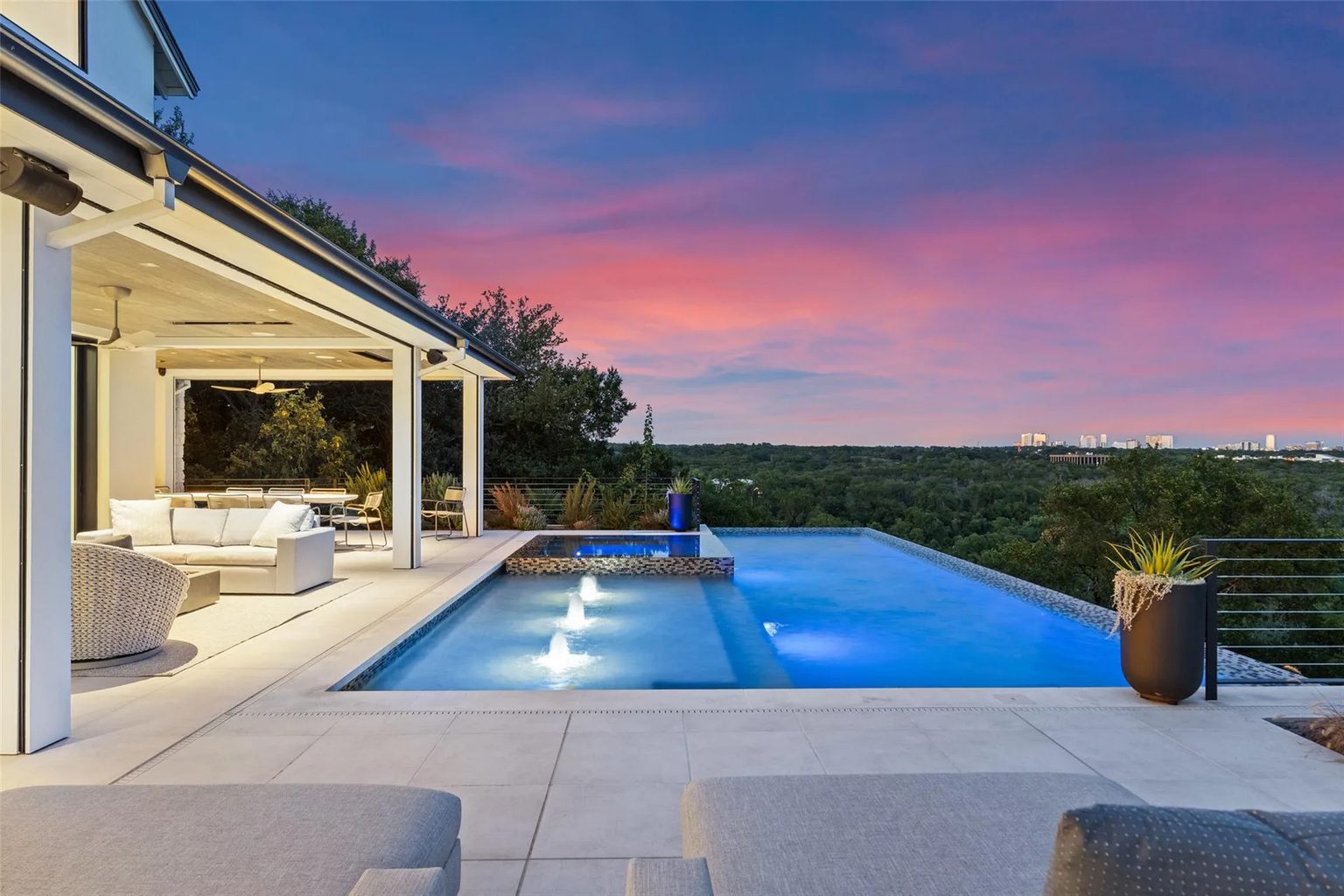
Start with how you will use the pool
Before choosing a shape or finish, decide what the pool needs to do for you. Is the priority swimming, exercise, a place to cool off, or time outside with friends? Match those plans to the property and an ownership budget you can maintain.
For buyers, an existing pool deserves its own condition review. For owners considering a new one, design and construction estimates should come from the specific site, not a neighborhood-wide allowance.
Compare design options
Use these questions to discuss options with a qualified designer. They are not a ranking of what suits every home or a claim about current buyer preferences.
| Option | Questions to resolve |
|---|---|
| Geometric layout | How will the pool align with the house, seating areas, and circulation? |
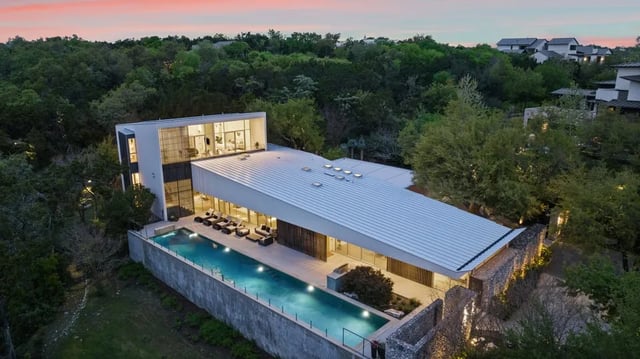
| Vanishing edge | What engineering, equipment, and maintenance does the proposed design require? |
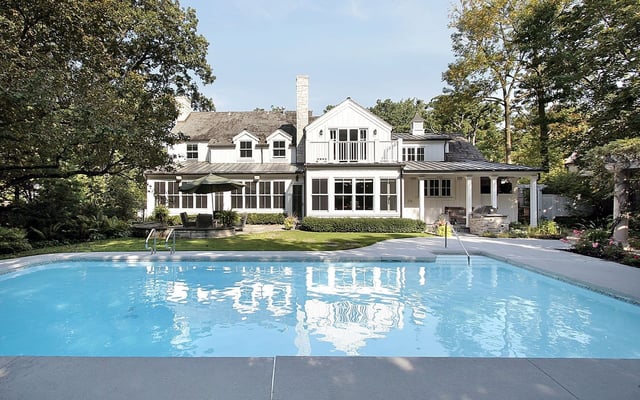
| Freeform layout | How will the design work with the site's trees, terrain, and usable outdoor space? |
| Compact or plunge pool | Does the planned size and depth support the way you want to use it? |
| Lap-oriented design | What unobstructed swimming length and equipment fit your needs and site? |
Visit the space at different times of day. Discuss shade, sightlines, access, lighting, and the relationship between the pool and indoor rooms before approving a plan.
Compare written bids, not headline prices
Ask each bidder to price the same drawings and scope. A lower total is difficult to evaluate when excavation, drainage work, equipment, decking, or site restoration is treated differently.
| Bid item | What to clarify |
|---|---|
| Site preparation and excavation | What is included, how unknown conditions are assessed, and how changes are priced |
| Structure, finish, and equipment | Specified materials, equipment, warranties, and exclusions |
| Surrounding work | Decking, drainage, landscaping, access restoration, and any separate structures |
| Approvals and coordination | Who confirms applicable requirements and handles each approval step |
| Payment and changes | Payment milestones, change-order process, and completion criteria |
| Ongoing care | Maintenance needs, service availability, and operating estimates |
Request current, site-specific quotes. This guide does not supply a verified Austin construction-cost range, a standard excavation surcharge, or a guaranteed completion date.
Resolve site and approval questions early
Ask the project team to identify the jurisdiction, recorded restrictions, easements, and any association requirements that apply to your address. Confirm how the design addresses access, drainage, existing trees, utilities, and site conditions before committing to construction.
Request a written schedule that distinguishes design, approvals, construction, and final inspections. Ask what could change the schedule and how those changes will be communicated. Do not assume that a permit timeline or excavation allowance from another property applies to yours.
Connect the pool to the rest of the yard
Plan circulation, shade, seating, and maintenance access together. If you are considering a pavilion or outdoor kitchen, include it in the scope discussion rather than treating it as an unrelated addition.
Ask the designer and equipment specialist which safety features, covers, and controls fit the proposed pool. Confirm applicable requirements and maintenance instructions with qualified professionals; a general design article is not a compliance checklist.
Buying a home with a pool
Request the available plans, approval records, equipment information, service history, and repair documentation. Arrange an appropriate condition assessment before relying on the pool as a benefit of the purchase.
Discuss how any findings affect your intended use and ownership budget. Neither an attractive photograph nor a recent finish establishes the condition of the entire system.
Weigh personal use and resale separately
A pool decision should account for how you will use it and what it will cost to own. A resale estimate needs evidence from comparable properties, not a universal percentage or an assumption that every luxury buyer expects a pool.
If you are preparing to sell, compare the proposed work with other ways to address the property's condition and presentation. Do not assume construction cost will be recovered in the sale price or that adding a pool will shorten the marketing period.
Frequently asked questions
How much does it cost to build a pool in Austin?
Obtain current written bids for the specific site and design. Compare excavation, equipment, surrounding work, approvals, exclusions, and change-order terms before comparing totals. No single cost range is established by this guide.
How long will the project take?
Ask the project team for a schedule covering design, approvals, construction, and inspections, including the assumptions behind each stage. Site conditions and approval requirements need to be evaluated for the actual property.
Does a pool add value to my home?
That requires a property-specific comparison. Review condition, design, maintenance needs, and comparable sales rather than applying a fixed return or price premium. Personal enjoyment and resale proceeds are different considerations.
Continue your planning
For neighborhood context, explore Westlake Hills, Rob Roy, Barton Creek, Lake Austin, Tarrytown, Zilker, Spicewood, Rollingwood, or our Dripping Springs guide. These are orientation resources, not evidence of soil conditions, pool costs, or buyer preferences at an address.
Our luxury home design guide offers related planning topics. To discuss a specific buying or selling decision, contact Keenan Group, explore buyer resources, or request a home valuation. Review our track record separately from any estimate of a pool's value.