

California-to-Texas relocation has been the #1 interstate migration corridor since 2018, with Austin as the most popular Texas destination for California buyers. Keenan Group has helped hundreds of California families relocate to Austin. As of 2026, an estimated 15,000+ Californians relocate to the Austin metro annually, drawn by lower taxes, housing costs, and tech job growth.
If you're reading this, there's a good chance you're in California thinking about Texas. You're not alone - Texas has been the #1 destination for California outmigration every year since 2018, and Austin is the most popular landing spot for those moves.
We've helped hundreds of California families settle in Austin over the past decade. Some were chasing lower costs. Some wanted to be near family. Some just wanted a backyard their kids could play in without spending $2 million. All of them had questions about what they were giving up and what they were gaining.
Here's the honest comparison.
Quick Comparison: California vs Texas (As of Q1 2026)
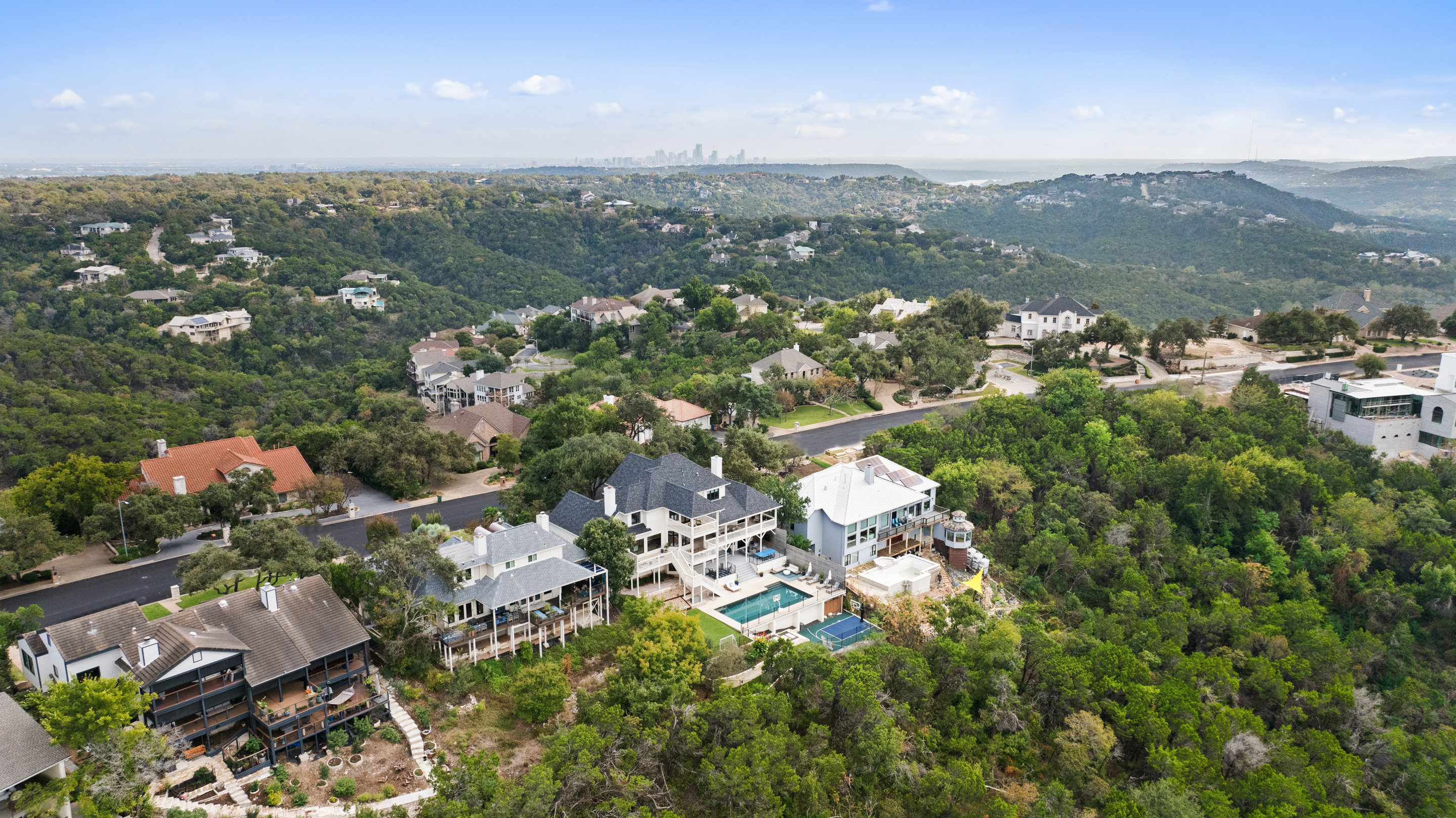
| Factor | California | Texas |
|---|---|---|
| Median home price | ~$800,000 | ~$330,000 |
| State income tax | Up to 13.3% | 0% |
| Sales tax | 7.25% (up to 10.75% local) | 6.25% (up to 8.25% local) |
| Property tax rate | 0.7% avg (Prop 13 caps) | 1.8-2.5% (no cap) |
| Median household income | $91,000 | $73,000 |
| Cost of living index | 142 (42% above US avg) | 92 (8% below US avg) |
| Population trend | Net outmigration since 2020 | Net inmigration, top 3 nationally |
| Climate | Mediterranean (varies by region) | Hot summers, mild winters |
The Tax Picture: This Is Where It Gets Interesting
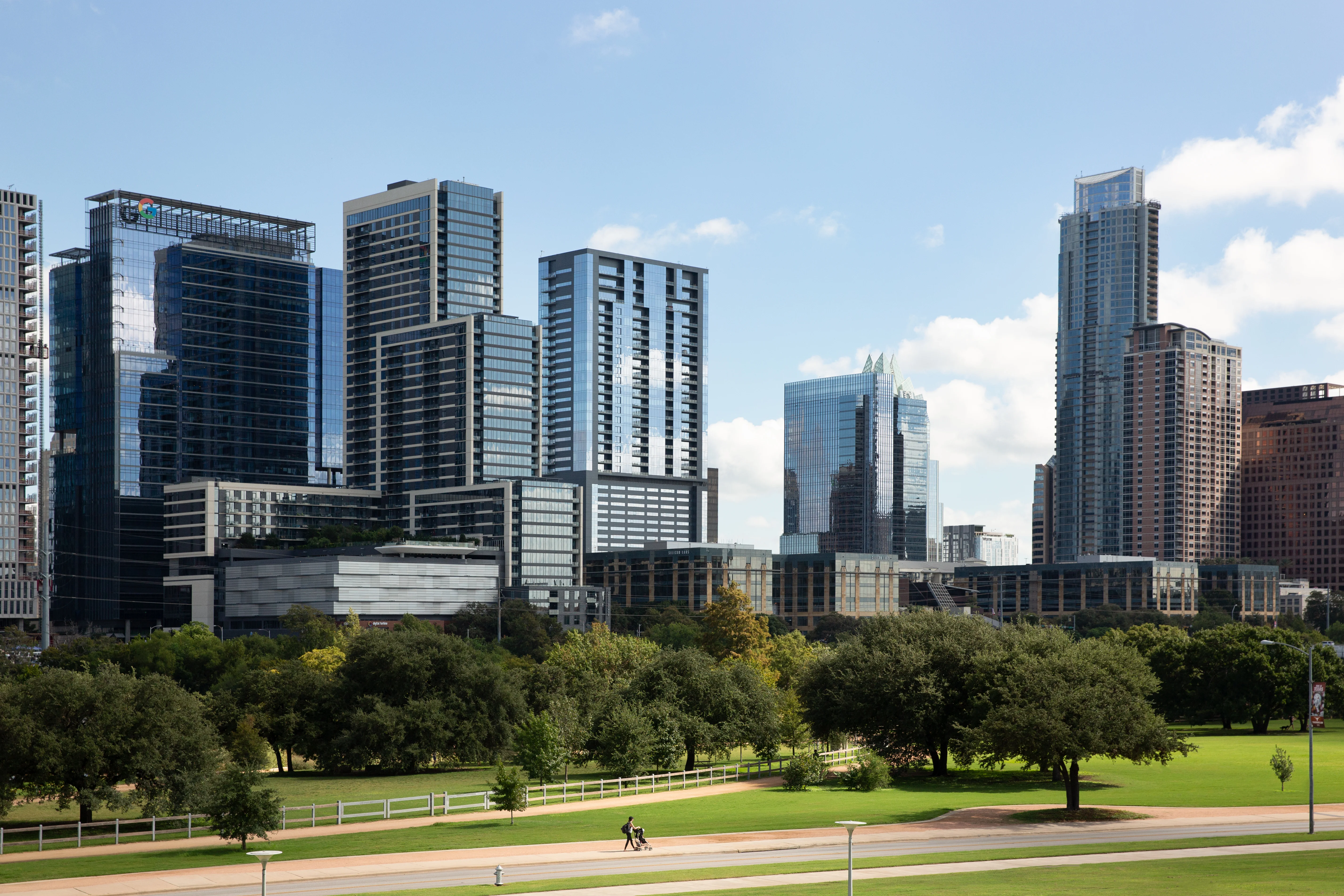
The #1 reason California families tell us they're moving to Texas is taxes. Let's break down what that actually looks like.
Income tax savings:
As of the 2025-2026 tax year, California's top marginal rate is 13.3% - the highest in the nation. Texas has no state income tax. For a household earning $300,000, that's roughly $25,000-$30,000 in annual savings.
But here's the catch: Texas property taxes are significantly higher than California's.
Property tax comparison on equivalent homes (2025-2026 tax year):
| Scenario | California | Texas |
|---|---|---|
| Home value | $1,200,000 | $600,000 |
| Property tax rate | 0.73% (Prop 13) | 2.0% |
| Annual property tax | $8,760 | $12,000 |
| State income tax ($300K income) | ~$27,000 | $0 |
| Total state tax burden | ~$35,760 | ~$12,000 |
Even with higher property tax rates, most California transplants save $15,000-$25,000+ per year in total state and local taxes. The higher your income, the bigger the savings.
What California buyers need to know about Texas property taxes:
- There's no Prop 13 equivalent. Your property is reassessed annually based on market value.
- Homestead exemption reduces your taxable value (currently $140,000 off school-district taxable value in Texas for qualifying owner-occupants).
- You can protest your tax valuation annually. Most Austin homeowners should protest every year. See our Central Texas Property Tax Protest Guide for how.
- Tax rates vary by county and school district. Hays County (Dripping Springs) tends to be lower than Travis County (central Austin) or Williamson County (Round Rock, Cedar Park). Use our Austin ZIP codes guide to identify which county and tax district a property falls in.
Housing: What Your California Budget Buys in Austin (Q1 2026)
This is where the math gets exciting. Here's what equivalent budgets get you:
| Budget | California (Bay Area/LA) | Austin, TX |
|---|---|---|
| $600,000 | Small condo, older suburb | 3-bed, 2-bath, 1,800 sq ft in Cedar Park or Round Rock |
| $1,000,000 | 3-bed ranch in decent suburb | 4-bed, 3-bath, 3,000 sq ft in Northwest Hills (78731) |
| $1,500,000 | Updated home in good school district | 5-bed, 4-bath, 4,000+ sq ft in Westlake Hills (Eanes ISD) |
| $2,500,000 | Nice home in Palo Alto or Marin | Estate property in Barton Creek or Spanish Oaks with pool, views, and 1+ acres |
As of Q1 2026, the median home in Austin (~$550,000) would cost you $1.2M-$1.5M in the Bay Area, $900K-$1.1M in Los Angeles, and $750K-$900K in San Diego.
What this means in practice: Most California buyers who sell their current home and move to Austin can either buy a significantly nicer property outright or pocket substantial equity. A family selling a $1.5M Bay Area home can buy a $900K home in Westlake Hills, bank $400K+ after transaction costs, eliminate state income tax, and send their kids to one of the best public school districts in Texas.
Cost of Living Beyond Housing
Housing is the headline, but the savings extend to daily life:
| Category | California (Bay Area) | Austin, TX | Savings |
|---|---|---|---|
| Groceries | 15% above national | 2% above national | ~13% |
| Childcare (monthly) | $2,200-$3,500 | $1,200-$1,800 | ~40% |
| Gas (per gallon) | $5.00-$5.50 | $2.80-$3.20 | ~40% |
| Utilities (monthly) | $250-$400 | $200-$350 | ~15% |
| Auto insurance (annual) | $2,500-$4,000 | $1,500-$2,500 | ~35% |
| Healthcare | 12% above national | 5% above national | ~7% |
| Dining out | 20% above national | 8% above national | ~12% |
A family of four spending $150,000/year in the Bay Area (excluding housing) can expect to spend roughly $120,000-$130,000 for the same lifestyle in Austin. Add the housing and tax savings and the total financial improvement is substantial. For a line-by-line breakdown, read our Austin cost of living 2026 guide.
Lifestyle: What You Gain and What You Give Up
This section matters as much as the money. We've seen some California families absolutely love Austin, and we've seen a few who moved back within two years. The difference usually comes down to expectations.
What you gain moving from California to Texas:
- Space. Bigger homes, bigger lots, bigger roads. Even central Austin feels spacious compared to the Bay Area or LA.
- Affordability. The stress reduction of not spending 50%+ of your income on housing is real and immediate.
- Community. Austin neighborhoods like Tarrytown, Northwest Hills, and Westlake Hills have the kind of neighborhood identity that's increasingly rare in California's suburbs.
- Outdoor recreation. Barton Springs, Lady Bird Lake, Lake Travis, the Greenbelt, 300+ days of sunshine.
- Food scene. Austin's restaurant scene has matured dramatically - James Beard nominees, top-tier BBQ, and international cuisine.
What you give up moving from California to Texas:
- Climate. Austin summers are hot - genuinely, oppressively hot. July and August average highs above 100 degrees. It's different from California's heat because humidity can be a factor. Most transplants adapt after one summer, but it's a real adjustment.
- Ocean. There is no beach. The closest coastline (Corpus Christi, Port Aransas) is a 3.5-hour drive. Some families miss this more than they expected.
- Diversity of landscapes. California has mountains, coast, desert, redwoods, and wine country all within a few hours. Austin has Hill Country (beautiful) and then flat terrain in most directions.
- Public transit. Austin's transit system is improving (Project Connect is underway) but it's currently a car-dependent city. If you relied on BART, Caltrain, or LA Metro, expect to drive everywhere.
- Some career paths. Biotech (SF), entertainment (LA), and specific tech niches may have fewer local opportunities in Austin.
Schools: How Texas Compares to California
California's public school system ranks in the bottom third nationally. Texas is mid-pack. But both states have exceptional school districts that outperform most of the country.
Top Austin-area districts vs. top California districts:
| District | State | Rating | Median Home Price (District) |
|---|---|---|---|
| Eanes ISD | TX | A / Top 2% | $1.8M |
| Lake Travis ISD | TX | A / Top 5% | $700K |
| Round Rock ISD | TX | A / Top 10% | $480K |
| Palo Alto USD | CA | A / Top 3% | $3.5M |
| Cupertino USD | CA | A / Top 5% | $2.8M |
| San Ramon Valley USD | CA | A / Top 10% | $1.5M |
The takeaway: for the price of a mediocre school district in the Bay Area, you can access a top-rated Texas district. Eanes ISD (Westlake Hills) delivers education quality comparable to Palo Alto at roughly half the housing cost.
The Job Market: Why Austin Specifically
California-to-Texas relocators can land in Houston, Dallas, San Antonio, or Austin. Here's why most tech professionals choose Austin:
- Austin is the closest cultural analog to the Bay Area in Texas. Liberal-leaning politics, strong food/music/arts scene, outdoor culture, and a young population.
- Tech presence is massive. Tesla (gigafactory + HQ functions), Apple (1 million sq ft campus), Google, Oracle (HQ), Meta, Samsung, Indeed, and 5,000+ startups.
- Salary adjustment is moderate. Austin tech salaries are 10-20% below Bay Area but 30-50% higher than Houston or Dallas for equivalent roles. Combined with lower costs, purchasing power improves significantly.
- Startup ecosystem. Austin ranks top-5 nationally for venture capital deployment per capita. If you're in startups, the ecosystem is real.
What California Buyers Should Do Before Moving
Based on years of helping California families settle in Austin, here's our practical advice:
- Visit for a week in July or August. Seriously. If you can handle Austin's hottest months, you'll be fine. If summer heat is a dealbreaker, better to know before you move.
- Research school districts before neighborhoods. If you have school-age kids, the district choice drives everything. Eanes ISD, Lake Travis ISD, and Round Rock ISD are the three most popular among relocating buyers. Our best suburbs of Austin guide ranks each community by schools, commute, and price.
- Sell your California home first or get a bridge loan. Austin sellers don't wait for your California closing. Compass Bridge Loans and other programs can help you compete.
- Budget for property taxes. Your property tax bill will be higher than California (even though your home costs less) because there's no Prop 13 cap. Budget 2% of home value annually.
- Talk to other transplants. We can connect you with California clients who've made the move. Hearing their experience - good and bad - is more valuable than any guide.
- Think about what you actually use. If you spend every weekend at the beach, that's a real loss. If you haven't been to the ocean in six months, you won't miss it.
If Austin is on your radar, our team specializes in helping out-of-state buyers manage the transition. We've guided hundreds of California families through the process - from neighborhood selection to school enrollment to finding the right contractors. Start with our best neighborhoods in Austin guide, or contact us for a personalized consultation.
For more on the California-to-Austin transition, see our Moving to Austin from California guide.
Frequently Asked Questions
How much money will I save moving from California to Texas?
Savings vary based on income and housing budget. A family earning $300,000 and moving from a $1.5M Bay Area home to a $900K Austin home typically saves $25,000-$30,000 in state income tax, reduces their mortgage by $3,000+/month, and saves 10-15% on daily expenses. Total annual savings of $60,000-$100,000 is common for high-income households. The math becomes even more compelling if you own your California home outright and can buy in Texas with significant equity.
Are Texas property taxes really that much higher than California?
The rate is higher - Texas averages 1.8-2.5% vs California's 0.73% (due to Prop 13 caps). But because home values are much lower in Texas, the dollar amount is often comparable. A $600,000 Texas home at 2.0% generates $12,000 in annual taxes. A $1.2M California home at 0.73% generates $8,760. The difference is about $3,000/year - far less than the income tax savings. Texas also offers a homestead exemption that reduces taxable value by $100,000 for school district taxes.
Is Austin culture similar to California?
Austin is the closest cultural analog to the Bay Area in Texas. It's progressive-leaning, outdoor-oriented, and has a strong food/music/arts scene. The differences: Austin is smaller (2.4M metro vs 7M+ Bay Area), hotter, and more car-dependent. Most California transplants describe the adjustment as "80% overlap with some real differences." The 20% that's different - mainly summer heat and lack of ocean - is what determines whether transplants stay long-term.
What are the best Austin neighborhoods for California relocators?
Our California clients most often land in Westlake Hills (top schools, luxury homes, Hill Country feel), Northwest Hills (central location, great value, Anderson High School), Tarrytown (walkable, tree-lined streets, Lady Bird Lake access), Lakeway (lake lifestyle, Lake Travis ISD), and Barton Creek (golf, gates, Austin ISD). Budget and school district preference are the main drivers.
How hot does Austin actually get?
Austin averages 45+ days per year above 100 degrees, concentrated in July and August. June and September are hot but more manageable (mid-90s). The heat is dry compared to Houston but more humid than inland California. Most residents adapt after one summer. Air conditioning is not optional - every home, car, and building is fully climate-controlled. The tradeoff: Austin's winters are mild (40s-60s), and spring and fall (March-May, October-November) are genuinely beautiful.
Should I rent first in Austin or buy right away?
We generally recommend buying if you know which school district you want and plan to stay 3+ years. Austin's market appreciates over time, and renting in desirable neighborhoods is expensive ($3,000-$5,000+/month for a single-family home in West Austin). If you're unsure about the area, renting for 6-12 months lets you experience different neighborhoods. Just know that rental inventory in top school districts is limited, so start your search early.
Ready to take the next step? Get a home valuation if you are considering selling, explore buyer resources if you are searching, or review the Keenan Group's track record across 1,000+ Austin transactions.