The Seattle to Austin Migration
Keenan Group has guided hundreds of Pacific Northwest transplants into Austin neighborhoods. Moving from Seattle to Austin means trading rain for sunshine (300+ vs 152 sunny days), stretching your housing budget 35-45% further, and joining a tech ecosystem that as of Q1 2026 includes Apple, Tesla, Google, Meta, and Oracle - all with no state income tax in either state.
Seattle transplants are our fastest-growing relocation segment. They already understand tech culture, they're tax-neutral on the move, and they save $2,000-$3,000 per month on cost of living. The biggest adjustment is learning to love pool culture instead of rain culture.
Why Seattle Techies Are Moving South
317 families annually make the Seattle to Austin transition - a number that's grown 40% since 2020. The drivers are clear: sunshine, affordability, and an increasingly robust tech ecosystem that doesn't require Amazon or Microsoft headquarters.
Primary motivators:
- Housing costs 35-45% lower than Seattle metro
- No state income tax in either state (tax neutral move)
- 300 sunny days vs. 152 in Seattle
- Growing tech hub with Apple, Tesla, Google, Meta presence
- Lower overall cost of living with similar career opportunities
Seattle Equity Translation
What your Seattle money buys in Austin:
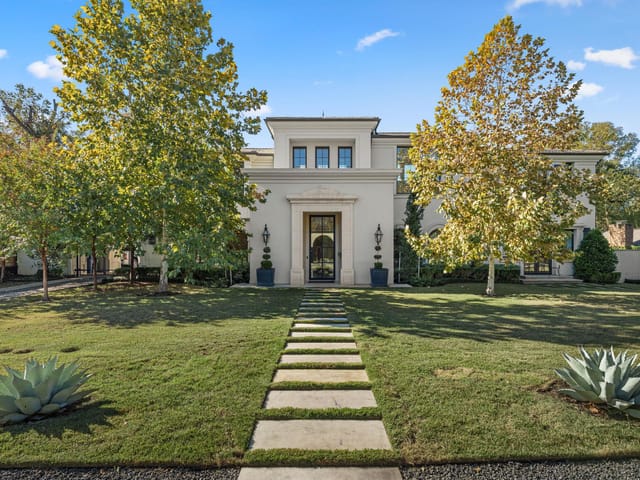
- $1.5M Capitol Hill townhouse = $900K Tarrytown craftsman with yard
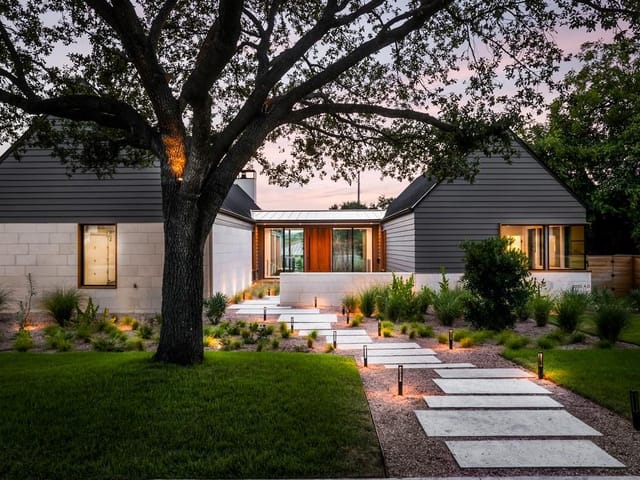
- $1.2M Ballard bungalow = $750K Hyde Park Victorian with character
- $900K Fremont condo = $550K East Austin house with land
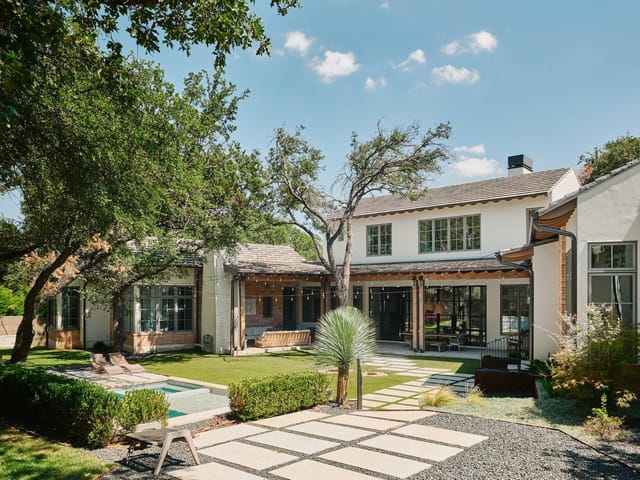
- $750K Lynnwood new build = $500K Round Rock 4BR with pool
The numbers that matter:
- Seattle median: $850,000 (December 2024)
- Austin median: $545,000 (December 2024)
- Average Seattle transplant upgrades space by 60%+
- Pool becomes affordable (not a $100K Seattle luxury)
Neighborhood Decoder: Seattle to Austin
Capitol Hill/Ballard → East Austin/Hyde Park
Vibe translation: Creative, walkable, local business focus
Key differences: Sunnier, more diverse, equally foodie
Price advantage: 40-50% less for comparable character
East Austin match:
- Same "discover local" energy and indie businesses
- Better food truck scene (sorry, Seattle)
- Live music venues instead of dive bars
- Street art and gallery culture thriving
Hyde Park appeal:
- Academics and creatives (UT proximity)
- Victorian architecture with character
- Walkable to coffee shops and local spots
- More affordable than comparable Seattle neighborhoods
Queen Anne/Magnolia → Tarrytown/Clarksville
Vibe translation: Established money, historic homes
Key differences: Warmer, drier, equally tree-lined
Price advantage: 35-40% less for estate-level properties
Tarrytown fit:
- Same sense of arrival and prestige
- Historic homes with character and updates
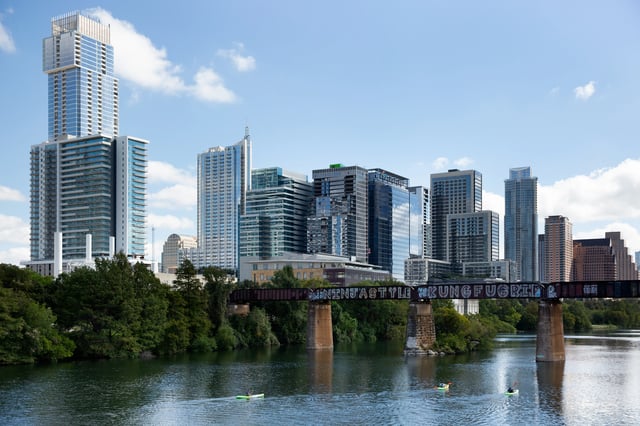
- Walking distance to Lady Bird Lake
- Top Austin ISD schools in attendance zone
- Old Austin money meets new professional households
Bellevue/Kirkland → Westlake/Northwest Hills
Vibe translation: Professional residents, excellent schools, suburban luxury
Key differences: Lake Austin access, Hill Country views, lower density
Price advantage: 30-35% less for equivalent lifestyle
Westlake advantages:
- Eanes ISD rivals Bellevue School District quality
- Lake access with boating and water sports
- Country club living with Hill Country backdrop
- Lower property taxes than King County
- Less traffic (yes, really)
Redmond/Issaquah → Round Rock/Cedar Park
Vibe translation: Tech hub suburbs, excellent schools, established suburban communities
Key differences: Year-round outdoor activities, lower costs
Price advantage: 40-50% less for master-planned community homes
Round Rock comparison:
- Dell headquarters = Microsoft/Amazon campus vibes
- Round Rock ISD equals or exceeds Northshore ISD
- Year-round pool use (not just July-August)
- Lower HOA fees than Eastside developments
- Easy access to Austin proper
Tech Career Continuity
Seattle Tech → Austin Tech
The ecosystem comparison:
- Seattle: Amazon, Microsoft, Google, Meta, startups
- Austin: Apple, Tesla, Google, Meta, Oracle, Dell, startups
- Both: Strong VC presence, startup culture, remote-friendly
Company presence in Austin:
- Apple: Largest campus outside Cupertino (15,000+ employees)
- Tesla: Giga Texas headquarters (10,000+ employees)
- Google: Growing Austin campus
- Meta: Significant engineering presence
- Amazon: AWS offices and operations
- Oracle: Relocated headquarters from California
Salary expectations (2025):
- Senior SWE: Seattle $210K → Austin $190K (but costs 40% less)
- Staff Engineer: Seattle $280K → Austin $250K
- Engineering Manager: Seattle $240K → Austin $220K
- Effective raise after cost of living: 25-35%
Remote Work Reality
If keeping Seattle salary:
- Best possible scenario - Seattle pay, Austin costs
- Many companies maintaining location-neutral pay
- Hybrid arrangements increasingly common
- Co-working spaces abundant throughout Austin
Career considerations:
- Austin tech community growing rapidly
- Networking easier in smaller ecosystem
- Startup opportunities more accessible
- Less competition for senior roles than Seattle
Weather Transformation
The Sunshine Factor
Seattle annual weather:
- 152 sunny days
- 37 inches of rain
- 226 cloudy days
- SAD (seasonal affective disorder) common
Austin annual weather:
- 300+ sunny days
- 34 inches of rain (but concentrated in spring)
- November-April: Perfect weather
- Vitamin D abundant
Mental health impact:
- Many Seattle transplants report improved mood
- Year-round outdoor activities possible
- No "Seattle freeze" social isolation
- Genuine sunshine therapy available
The Summer Reality
What Seattle natives must understand:
- June-September genuinely hot (95-105°F)
- Humidity higher than you're used to
- Air conditioning essential (budget $300-500/month summer)
- Outdoor activities shift to morning/evening
Adaptation timeline:
- Year 1: Shock and frequent AC retreats
- Year 2: Understanding summer rhythms
- Year 3: Embracing pool culture
- Year 4+: Can't imagine gray winters again
Lifestyle Transitions
Outdoor Activities: What Changes
What you gain:
- Swimming 8 months per year (vs. maybe July in Seattle)
- Kayaking without wetsuit requirements
- Year-round hiking in comfortable weather
- Lake life culture (boating, fishing, water sports)
- Golf in January (in shorts)
What you trade:
- No Cascades or Olympics mountain access
- No Puget Sound sailing culture
- Skiing requires travel (Colorado, 2-hour flight)
- Less dramatic natural scenery
- No temperate rainforest hikes
The workaround:
- Hill Country offers different beauty
- Lake Travis satisfies water recreation needs
- Austin climbing gyms for rock climbing
- Fly to Colorado for ski weekends
- Big Bend for dramatic landscape fixes
Food & Drink Culture
Seattle food → Austin food:
- Coffee culture: Equally obsessive (different roasters)
- Craft beer: Comparable scenes
- Seafood: Fresh options but less variety
- Asian cuisine: Austin improving but Seattle wins
- BBQ: Austin dominates (obvious)
- Tex-Mex: New frontier of deliciousness
Food scene highlights:
- Franklin Barbecue (worth one 4-hour wait)
- Uchi (James Beard-winning sushi)
- Food truck culture more robust than Seattle
- Breakfast taco obsession replaces coffee obsession
- Farm-to-table movement strong
Social & Community
Seattle freeze vs. Texas friendly:
- Austinites actually talk to strangers
- Neighbors introduce themselves
- Social activities center on outdoor gatherings
- Less passive-aggressive, more direct
- Making friends easier than Seattle
Integration strategies:
- Join neighborhood Facebook groups immediately
- Attend local events (there are many)
- Embrace "Hi, how are you?" culture
- Host a housewarming (expected here)
- Find your coffee shop and become a regular
Practical Moving Considerations
The Journey
Distance: 2,100 miles
Drive time: 30+ hours (split over 3-4 days)
Flight time: 3.5 hours direct
Moving costs (2025):
- Full-service 3BR move: $8,000-14,000
- POD/container: $5,000-8,000
- DIY truck rental: $3,500-5,500
- Vehicle shipping: $1,100-1,500
What to Bring vs. Leave
Bring from Seattle:
- Quality furniture (Austin options limited)
- Rain jacket (for spring thunderstorms)
- Coffee equipment (you're not giving that up)
- Outdoor gear (hiking, kayaking transfers)
Leave behind:
- Heavy winter coats
- Snow sports equipment (or store for trips)
- Dehumidifiers (you'll need the opposite)
- SAD lamps (natural light abundant)
Timeline & Logistics
Best moving windows:
- October-November: Ideal weather both locations
- February-March: Mild Austin, leaving Seattle gray
- Avoid: July-August (Austin brutal heat)
- Avoid: December (holiday complications)
Financial Picture
Tax Neutral, Cost Advantaged
Income tax comparison:
- Washington: 0% state income tax
- Texas: 0% state income tax
- Net change: $0
Property tax comparison:
- Washington effective rate: ~1.0%
- Texas effective rate: ~2.2%
- But homes cost 35-45% less
- Net result: Similar or lower annual housing costs
True Cost of Living Savings
Monthly savings comparison ($180K household income):
- Housing: -$1,500-2,000/month (comparable homes)
- Childcare: -$300-500/month
- Groceries: -$100-200/month
- Entertainment: -$200-300/month
- Insurance: Similar
- Utilities: +$100/month (AC costs)
- Net savings: $2,000-3,000/month
Your Seattle-to-Austin Playbook
Before the Move
3-6 months out:
- Visit Austin in summer (know what you're signing up for)
- Research neighborhoods that match your Seattle lifestyle
- Connect with Seattle transplant networks in Austin
- Get pre-approved with Austin-savvy lender
- Research school districts if applicable
First 90 Days
Immediate priorities:
- Establish pool access (non-negotiable)
- Find your coffee shop and breakfast taco spot
- Set up outdoor activity routines before summer
- Join neighborhood groups and communities
- Explore different areas of Austin
First Year Integration
Milestones:
- Month 3: Favorite BBQ joint established
- Month 6: Summer survival strategies working
- Month 9: Forgot what gray skies feel like
- Month 12: Can't imagine moving back
Frequently Asked Questions
How much do Seattle transplants save by moving to Austin as of 2026?
Since both Washington and Texas have no state income tax, the move is tax-neutral. The savings come from housing (35-45% lower for comparable homes) and overall cost of living. Monthly net savings of $2,000-$3,000 are typical for a $180K household income, even after accounting for higher Austin AC costs.
What Austin neighborhoods match Capitol Hill or Ballard vibes?
East Austin and Hyde Park offer the closest match - creative energy, walkable streets, local businesses, and food truck culture. East Austin has the indie/discovery energy of Capitol Hill, while Hyde Park has the academic/creative feel of Fremont. Expect to save 40-50% on comparable properties.
Is the Austin tech job market comparable to Seattle?
Austin's tech ecosystem is smaller but growing rapidly. Apple, Tesla, Google, Meta, Amazon, Oracle, and Dell all have significant Austin presence. Senior SWE salaries run about 10% lower ($190K vs $210K), but the 40% lower cost of living creates an effective 25-35% raise.
Ready to Trade Rain for Sunshine?
Keenan Group has helped numerous Seattle families find their Austin home. We understand tech culture, outdoor priorities, and which neighborhoods match Seattle lifestyles.
Explore our Austin neighborhood guide, review our results, or contact us for a Seattle-to-Austin relocation strategy.
Our Seattle transplant expertise:
- Neighborhood matching based on your Seattle lifestyle
- Tech corridor proximity analysis
- Outdoor recreation access prioritization
- School district guidance for buyers
Interested in Tarrytown?
Get a confidential market brief for Tarrytown with current inventory, pricing, and strategy recommendations from Austin's #1 team.