
Why DC Professionals Choose Austin
Keenan Group guides DC professionals through the Austin transition every year. Moving from Washington DC to Austin means trading the Beltway for the Hill Country, saving $8,200-$13,500 annually in state income tax, and stretching your housing budget 45-55% further as of Q1 2026 - all while maintaining career options in policy, tech, and professional services.
As a USAFA graduate, I know the DC ecosystem well. Many of our DC transplant clients are surprised how much intellectual culture Austin has - UT Austin, think tanks, and a growing policy sector - without the Beltway grind.
The Migration Story
247 families annually make the DC to Austin move - a number growing steadily as remote work liberates government contractors and policy professionals from the Beltway. The appeal is clear: similar intellectual culture, dramatically lower costs, and a quality of life that DC simply can't match.
What's driving the exodus:
- Housing costs 45-55% lower than DC metro
- No state income tax vs. DC/VA/MD rates of 5-9%
- Genuine work-life balance culture
- Growing tech and policy sectors in Austin
- Escape from traffic that makes I-35 look tame
Your DC Money in Austin
The housing reality:
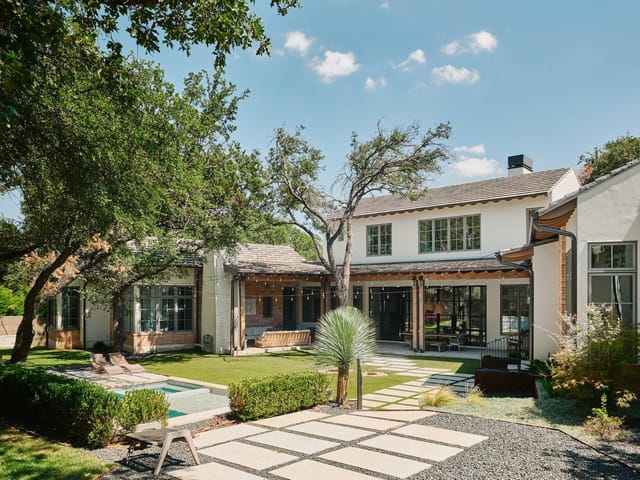
- $1.2M Georgetown rowhouse = $700K Tarrytown craftsman with yard
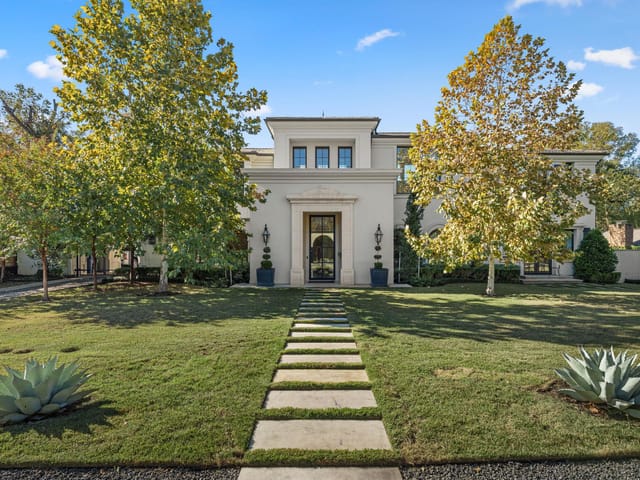
- $900K Cleveland Park colonial = $550K Northwest Hills on half-acre
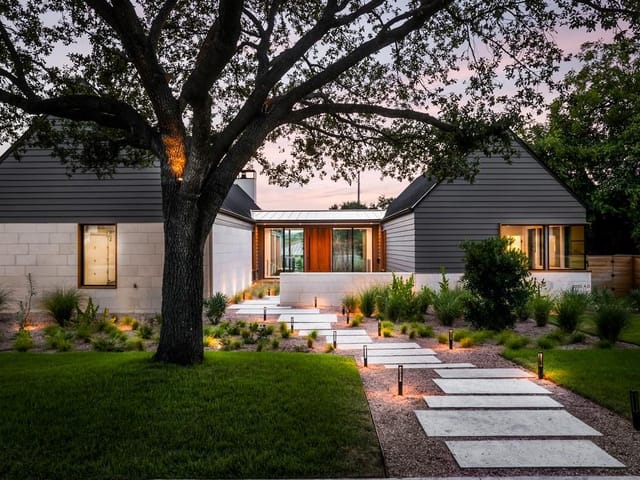
- $750K Arlington condo = $450K East Austin house with character
- $600K Bethesda townhouse = $400K Round Rock 4BR with pool
The math that matters:
- DC metro median: $625,000 (December 2024)
- Austin median: $545,000 (December 2024)
- Average DC transplant upgrades space by 80%
- Yard and pool become standard, not luxury
Neighborhood Translation: DC to Austin
Georgetown/Dupont → Tarrytown/Clarksville
Vibe match: Historic architecture, walkable, culturally active
Key differences: More space, better weather, lower costs
Price comparison: $1.5M Georgetown = $850K Tarrytown
Tarrytown appeal:
- Same sense of established prestige
- Historic homes with significant character
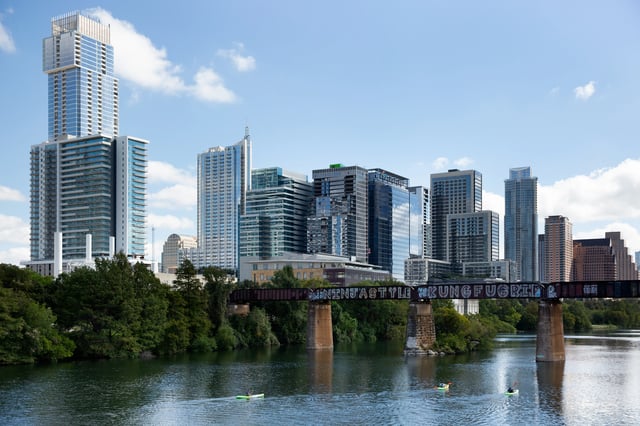
- Walking distance to Lady Bird Lake
- Top Austin ISD schools in zone
- Old Austin intellectual money meets new professionals
Clarksville fit:
- Urban village feel with local shops
- Diverse, welcoming community
- Downtown proximity
- Historic charm with modern updates
Cleveland Park/Chevy Chase → Northwest Hills/Westlake
Vibe match: Established residential streets, excellent schools, suburban character
Key differences: Bigger lots, lower density, Hill Country access
Price comparison: $1.2M Cleveland Park = $700K Northwest Hills
Northwest Hills advantages:
- Excellent schools (Anderson High, Doss Elementary)
- Mature trees and established landscaping
- 12 minutes to downtown (not 45 minutes to the Mall)
- Actually affordable for government professionals
Westlake for high earners:
- Eanes ISD rivals Sidwell and Maret quality (public!)
- Lake Austin access for water activities
- Country club living option
- Hill Country views from backyard
Capitol Hill/Navy Yard → East Austin/Mueller
Vibe match: Urban, diverse, emerging neighborhoods
Key differences: Sunnier, more creative, equally foodie
Price comparison: $650K Navy Yard condo = $425K Mueller townhome
East Austin fit:
- Same high-energy urban scene
- Live music culture instead of bar scene
- Food truck scene more robust
- Actual affordable homeownership possible
- Creative/startup culture thriving
Mueller appeal:
- Master-planned with urban design principles
- Walkable to shops and restaurants
- Community programming and events
- Trail system and parks integrated
Arlington/Alexandria → Round Rock/Cedar Park
Vibe match: Suburban neighborhoods with urban access, excellent schools
Key differences: Lower costs, better weather, less traffic
Price comparison: $800K Arlington colonial = $475K Round Rock
Round Rock advantages:
- Round Rock ISD equals Fairfax County quality
- Master-planned communities with amenities
- Dell headquarters (tech employment hub)
- 25 minutes to downtown Austin
- Actually affordable on one government salary
Career & Industry Transitions
Government/Contractor → Austin Options
Policy and government-adjacent opportunities:
- Texas state government (capital city advantages)
- Policy organizations and think tanks relocating
- Federal regional offices
- University of Texas research and policy centers
- Growing civic tech sector
The remote work revolution:
- Many DC jobs now location-flexible
- Contractor work increasingly remote
- Consulting firms establishing Austin presence
- Policy research possible from anywhere
Think Tank/Nonprofit → Austin Equivalents
Austin policy ecosystem:
- Texas Public Policy Foundation
- Urban Institute growing Texas presence
- UT LBJ School of Public Affairs
- Environmental and energy policy orgs
- Health policy organizations
Salary reality:
- Policy salaries 10-20% lower in Austin
- But cost of living 40-50% lower
- Net: Significantly better quality of life
- Plus no state income tax savings
Law/Lobbying Transitions
Austin legal market:
- Texas state government practice
- Energy and environmental law (growing sector)
- Tech company legal departments
- Real estate law (booming market)
- Smaller firms with partnership track faster
Lobbying landscape:
- Texas Legislature session work
- State-level policy advocacy
- Trade association presence
- Corporate government affairs
- Different culture than DC K Street
Lifestyle Transformation
Work-Life Balance Reality
The DC grind:
- 60+ hour weeks normalized
- Work defines identity
- Networking disguised as socializing
- Status determined by job title
- Burnout accepted as normal
The Austin alternative:
- Leave work at work (culturally expected)
- Outdoor activities prioritized
- Genuine friendships based on interests
- Status determined by BBQ knowledge
- Work to live, not live to work
Climate & Outdoor Life
DC weather reality:
- Humid summers, cold winters
- 4-5 months of genuine outdoor time
- Cherry blossoms beautiful but brief
- Winter commute misery
Austin weather transformation:
- Hot summers but manageable with AC and pools
- Mild winters (rarely below 40°F)
- 9+ months of comfortable outdoor activity
- Year-round hiking, biking, water sports
Outdoor lifestyle upgrades:
- Pool in backyard (affordable here)
- Lake Austin/Travis water access
- Hill Country weekend adventures
- Barton Springs natural swimming
- Zilker Park and Greenbelt trails
Social & Cultural Adjustment
What DC people love about Austin:
- Intellectual culture without pretension
- Creative energy and music scene
- Foodies and restaurant culture
- Politically engaged but less consumed
- Authentic "Keep Austin Weird" ethos
What takes adjustment:
- Fewer world-class museums
- No Metro system (car required)
- Texas political reality
- Missing certain cuisines
Financial Picture
Tax Savings Math
On $175,000 household income:
- DC income tax: ~$13,500/year
- Virginia income tax: ~$9,600/year
- Maryland income tax: ~$8,200/year
- Texas income tax: $0
- Annual savings: $8,200-13,500
10-year calculation:
- Tax savings: $82,000-135,000
- Housing cost savings: $150,000+
- Total wealth advantage: $232,000-285,000
True Cost Comparison
Monthly budget comparison (same lifestyle):
- DC metro 2BR townhouse: $4,200/month all-in
- Austin 4BR house with yard: $2,800/month all-in
- Monthly savings: $1,400
- Annual savings: $16,800
- Plus tax savings: $8,000-13,000
- Total annual advantage: $25,000-30,000
Property Tax Reality
Understanding Texas property taxes:
- Higher rate than DC (~2.2% vs ~0.85%)
- But home costs 45% less
- On $550K Austin home: $12,100/year
- On $1M DC home: $8,500/year
- Net impact: Minimal after cost differential
Schools and Daily Life
School Quality
DC private school → Austin public school:
- Sidwell Friends $55K/year → Eanes ISD (free, equally excellent)
- Georgetown Day $48K/year → Austin ISD magnet schools
- Private school savings: $40,000-55,000/year per child
Top Austin public options:
- Eanes ISD: National recognition, college prep excellence
- Round Rock ISD: Strong STEM programs
- Lake Travis ISD: Athletics and academics
- Austin ISD magnets: LASA, Ann Richards, Kealing
Lifestyle Upgrade
What DC buyers gain in Austin:
- Actual backyard for kids to play
- Pool access (community or private)
- Nature and outdoor activities integrated
- Less scheduled, more spontaneous childhood
- Parents home for dinner (shorter commutes)
Moving Logistics
The Journey
Distance: 1,550 miles
Drive time: 23-24 hours (typically 2-3 days)
Flight time: 3 hours direct (multiple daily flights)
Moving costs (2025):
- Full-service 3BR move: $7,000-12,000
- POD/container: $4,500-7,000
- DIY truck rental: $3,000-5,000
- Vehicle shipping: $1,000-1,400
Timeline Recommendations
Best moving windows:
- October-November: Perfect Austin weather
- February-April: Escape DC winter, mild Austin spring
- Avoid: July-August (Austin summer peak)
- Consider: School year timing for students changing schools
Professional Network Maintenance
Staying connected to DC:
- Austin has direct flights multiple times daily
- Many DC organizations have Texas presence
- Remote work enables continued relationships
- Annual SXSW brings DC crowd to Austin
Your DC-to-Austin Transition Plan
Pre-Move (3-6 Months)
Essential preparation:
- Visit Austin in summer (know the heat reality)
- Research neighborhoods matching your DC lifestyle
- Evaluate remote work options with employer
- Connect with DC transplant networks in Austin
- Get pre-approved with Texas-savvy lender
First 90 Days
Immediate priorities:
- Establish pool access (you'll understand by July)
- Find your coffee shop and breakfast taco spot
- Set up outdoor activity routines
- Join neighborhood groups
- Explore Austin's food and music scene
First Year Milestones
Integration timeline:
- Month 3: Stopped checking DC news obsessively
- Month 6: First summer survived
- Month 9: Can't imagine Beltway commute again
- Month 12: Telling DC friends they should move too
Frequently Asked Questions
How much will I save moving from DC to Austin as of 2026?
On a $175K household income, expect $8,200-$13,500 in annual state income tax savings (depending on DC/VA/MD). Housing costs run 45-55% lower for comparable properties. Total annual wealth advantage: $25,000-$30,000 when combining tax savings with housing cost reduction.
Can I keep my DC career while living in Austin?
Many DC professionals maintain remote or hybrid arrangements with their former employers. Austin has direct flights to DC multiple times daily (3 hours). The growing local policy ecosystem - Texas state government, UT LBJ School, and expanding think tank presence - also provides local career options.
What Austin neighborhood is most like Georgetown or Dupont Circle?
Tarrytown and Clarksville offer the closest match - historic architecture, walkable neighborhoods, intellectual culture, and strong property values. Expect to save 35-40% compared to Georgetown pricing for comparable character.
Ready to Escape the Beltway?
Keenan Group has helped dozens of DC professionals find their Austin home. We understand the lifestyle you're seeking and which neighborhoods deliver.
Contact us: 512-415-7653 | keenan@compass.com
Our DC transplant expertise:
- Neighborhood matching based on your DC lifestyle
- School district guidance by address
- Career transition considerations
- Policy sector connections in Austin
Ready to take the next step? Get a home valuation if you are considering selling, explore buyer resources if you are searching, or review the Keenan Group's track record across 1,000+ Austin transactions.
Interested in Tarrytown?
Get a confidential market brief for Tarrytown with current inventory, pricing, and strategy recommendations from Austin's #1 team.